
ADVERTISEMENT
Trippa in Umido: A Deep Dive into Italy’s Humble, Hearty, and Soul-Warming Classic
Italian cuisine is often celebrated for its pasta, pizza, and elegant simplicity, but some of its most meaningful dishes come from humbler origins. Trippa in umido—slow-simmered tripe in a rich tomato sauce—is one such dish. It is bold, comforting, deeply traditional, and unapologetically honest. For generations, it has fed families, warmed hearts, and carried stories of survival, thrift, and culinary ingenuity.
This dish is not about trends or refinement. It is about patience, respect for ingredients, and the belief that every part of an animal deserves care and transformation.
What Is Trippa in Umido?
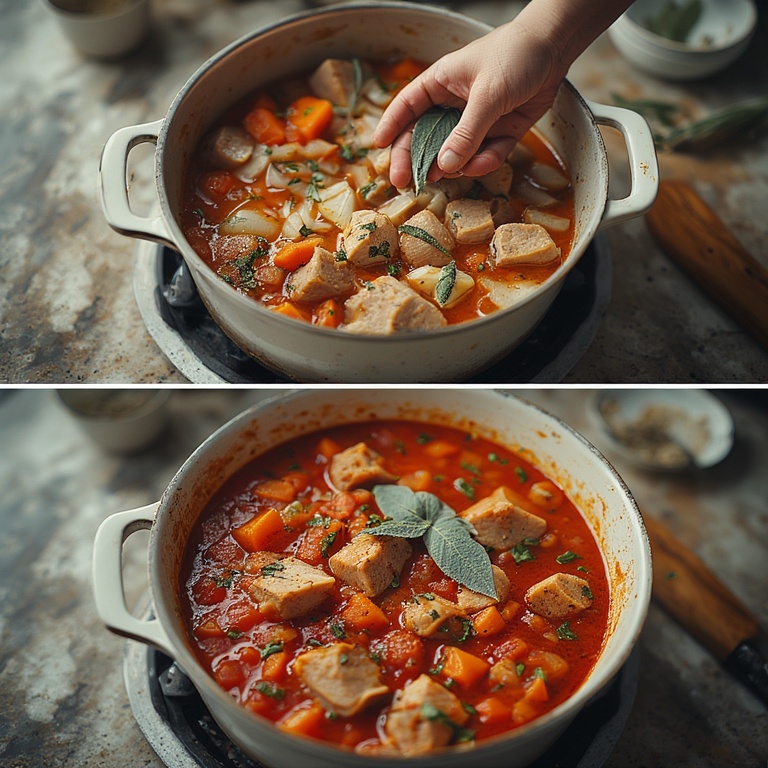
Trippa in umido is a classic Italian stew made from beef tripe, slowly cooked with tomatoes, onions, garlic, herbs, and often finished with cheese or olive oil. The phrase “in umido” refers to cooking in moisture—typically a sauce—allowing flavors to meld gently over time.
The result is a dish that is:
- Tender and satisfying
- Rich without being heavy
- Rustic and deeply flavorful
It’s a dish meant to be eaten slowly, preferably with bread to soak up every last bit of sauce.
The History of Trippa in Italian Cuisine
Tripe has long been associated with cucina povera—the “poor kitchen.” In times when waste was unthinkable, families learned how to transform less-valued cuts into nourishing meals.
In cities like Rome and Florence, tripe became a symbol of working-class food culture. Street vendors sold trippa to laborers, simmered all day until soft, fragrant, and comforting.
Rather than being hidden or disguised, trippa was celebrated for what it was: honest food.
Why Trippa Still Matters Today
In a modern world obsessed with convenience and perfection, dishes like trippa in umido remind us of something important:
- Food can be meaningful, not just pretty
- Cooking can be slow and intentional
- Tradition carries wisdom
Many chefs today are rediscovering tripe as part of a broader return to nose-to-tail cooking and sustainable food practices.
Understanding Tripe: The Star Ingredient
Tripe is the edible lining of a cow’s stomach. There are different types, but the most commonly used in Italian cooking is honeycomb tripe, prized for its texture and ability to absorb flavor.
When prepared correctly, tripe is:
- Mild in flavor
- Tender, not chewy
- A perfect canvas for sauce
Proper cleaning and long cooking are essential.
Preparing Tripe: A Ritual of Care
Before cooking, tripe must be cleaned thoroughly. Traditionally, this involved multiple rinses and sometimes blanching to ensure freshness.
In modern kitchens, tripe is often sold pre-cleaned, but it still benefits from:
- A quick rinse
- Gentle trimming
- Slow cooking
Preparation is where respect for the ingredient begins.
The Flavor Base: Soffritto
Like many Italian stews, trippa in umido begins with a soffritto—a gentle sauté of onions, carrots, and celery in olive oil.
This step builds sweetness and depth, laying the foundation for the entire dish. Rushing this process diminishes the final result.
Tomatoes: Bringing Balance and Body
Tomatoes add:
- Acidity to balance richness
- Body to the sauce
- Brightness that lifts the dish
Some regions use crushed tomatoes, others prefer passata, and some add tomato paste for intensity. The choice depends on family tradition.
ADVERTISEMENT
