
ADVERTISEMENT
Never Store Cooked Rice Without Knowing This Important Safety Rule
Cooked rice is a staple in millions of households around the world. It’s affordable, filling, versatile, and easy to prepare in large batches. Many people cook rice once and store leftovers for later meals, assuming it’s as safe as any other cooked food.
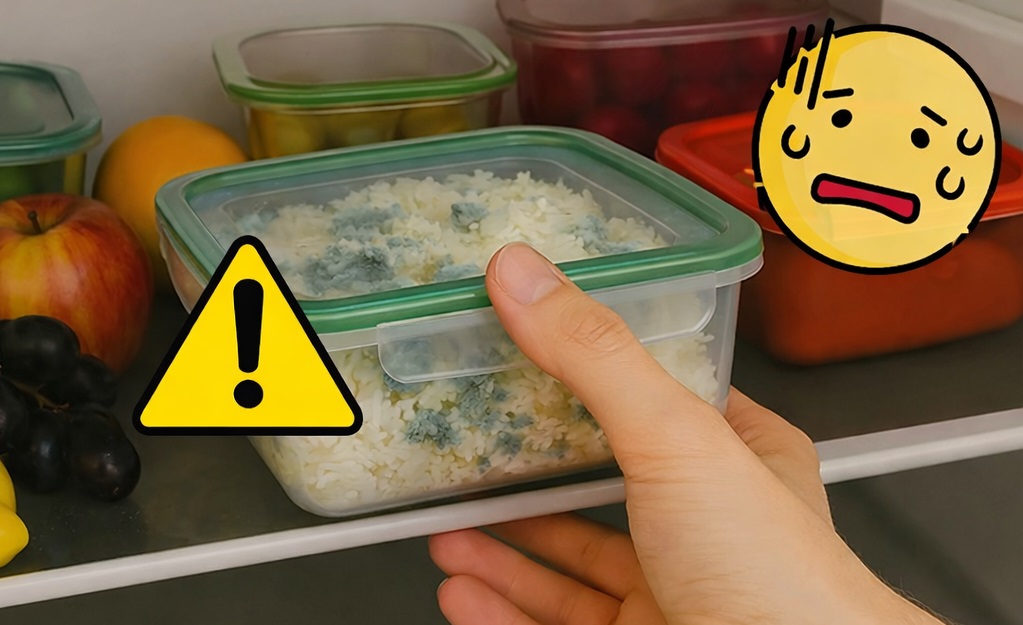
But here’s the truth most people don’t realize: cooked rice can become dangerous if it’s stored incorrectly—sometimes even more risky than meat or dairy.
Food safety experts consistently warn that improper rice storage is a leading cause of food poisoning, yet this information rarely reaches home cooks. Understanding one crucial safety rule can make all the difference between a convenient leftover meal and a serious health risk.
In this article, we’ll explain:
- Why cooked rice can be risky
- The single most important rule you must follow
- What happens when rice is stored incorrectly
- How to store, reheat, and eat rice safely
- Common myths that put people at risk
This is information every household should know.
Why Cooked Rice Requires Special Attention
At first glance, rice seems harmless. It’s dry, plant-based, and often associated with simple, comforting meals. But rice has a unique risk factor that many other foods don’t.
The Hidden Bacteria in Rice
Uncooked rice can contain spores of a bacterium called Bacillus cereus. These spores:
- Are naturally present in soil
- Can survive cooking temperatures
- Become active if rice is left at room temperature
Cooking kills many bacteria—but not these spores.
Once cooked rice cools down slowly or sits out too long, these spores can grow into bacteria that produce toxins.
The Important Safety Rule You Must Know
👉 Never leave cooked rice at room temperature for more than 1–2 hours.
This is the single most important rule.
If cooked rice sits out too long:
- Bacteria multiply rapidly
- Toxins may form
- Reheating may NOT make it safe
Unlike many bacteria, the toxins produced by Bacillus cereus are heat-resistant. That means reheating rice will not always destroy them.
Why Reheating Rice Doesn’t Always Make It Safe
A common misconception is:
“If I reheat it until it’s hot, it’s safe.”
Unfortunately, that’s not always true.
What Really Happens
- Bacteria grow while rice sits out
- They produce toxins
- Heat may kill bacteria—but toxins remain
This is why food poisoning from rice can occur even after reheating.
What Happens When Rice Is Left Out Too Long
When cooked rice stays at room temperature:
- Moisture + warmth create ideal conditions
- Bacteria multiply every 20 minutes
- Toxin levels increase quickly
After several hours, the rice may still look and smell normal—but it can be unsafe.
Symptoms of Rice-Related Food Poisoning
Symptoms can appear within 1–5 hours or up to 15 hours, depending on the toxin involved.
Common symptoms include:
- Nausea
- Vomiting
- Diarrhea
- Abdominal cramps
In most cases symptoms resolve within 24 hours, but children, elderly adults, and people with weakened immune systems are at higher risk of complications.
Why Rice Is Riskier Than Many Other Foods
Rice is especially risky because:
- It’s often cooked in large quantities
- People commonly leave it out
- It’s often reheated multiple times
- It doesn’t show obvious spoilage
This makes rice one of the most commonly mishandled foods worldwide.
ADVERTISEMENT
