
ADVERTISEMENT
12 Warning Signs Your Uterus Is Crying for Help – Don’t Ignore These Symptoms
Introduction
The uterus plays a vital role in a woman’s reproductive health, hormonal balance, and overall well-being. Despite its importance, many women ignore early warning signs that something may be wrong, often dismissing symptoms as “normal,” stress-related, or simply part of aging. Unfortunately, overlooking these signals can delay diagnosis and treatment of conditions that may worsen over time.
Your body has an incredible way of communicating when something isn’t right. Pain, irregular bleeding, unusual discharge, and persistent discomfort are not random events—they can be your uterus signaling that it needs attention. While not every symptom means a serious illness, recognizing changes early can make a significant difference in outcomes and quality of life.
This article explores 12 warning signs your uterus may be crying for help, what they could mean, and why you should never ignore them. This information is for educational purposes only and should not replace professional medical advice.
Understanding the Role of the Uterus
The uterus is a muscular organ responsible for menstruation, pregnancy, and childbirth. It responds to hormonal fluctuations throughout a woman’s life—from puberty to menopause. Because of this sensitivity, uterine health can be affected by stress, lifestyle, infections, hormonal imbalances, and underlying medical conditions.
Common uterine conditions include fibroids, endometriosis, adenomyosis, pelvic inflammatory disease (PID), polyps, and, in rare cases, cancer. Many of these conditions begin with subtle symptoms that gradually intensify.
1. Heavy or Prolonged Menstrual Bleeding
Bleeding heavily during your period or menstruating longer than seven days is not something to brush off. While occasional changes can occur due to stress or hormonal shifts, consistently heavy periods may indicate:
- Uterine fibroids
- Adenomyosis
- Hormonal imbalance
- Endometrial polyps
Excessive blood loss can also lead to iron-deficiency anemia, causing fatigue, weakness, and shortness of breath.
2. Severe Menstrual Cramps That Worsen Over Time
Some cramping during menstruation is common, but intense pain that interferes with daily life is not. Pain that worsens with age or suddenly becomes severe may be associated with:
- Endometriosis
- Fibroids
- Pelvic inflammatory disease
If pain medication no longer helps, your uterus may be signaling a deeper issue.
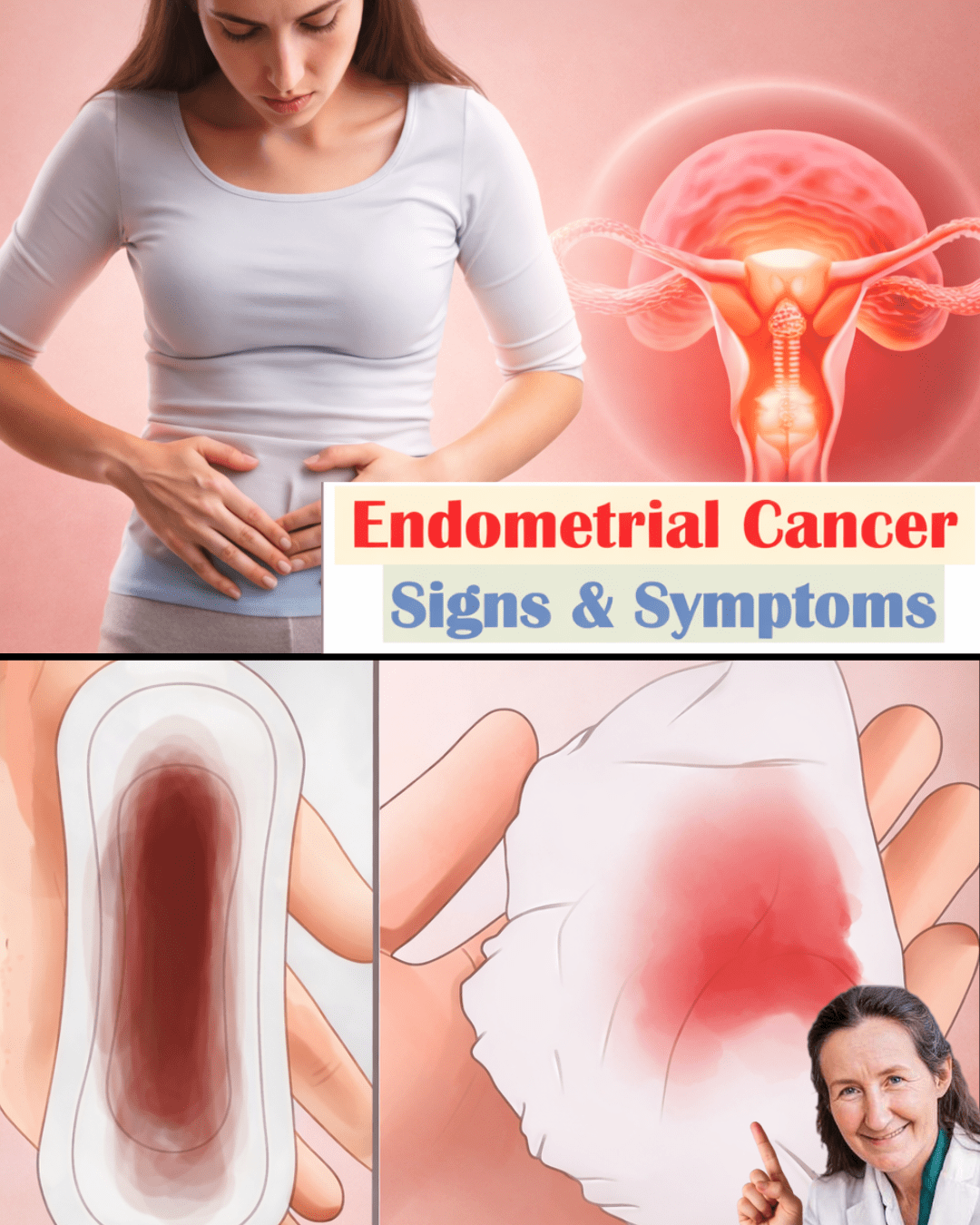
3. Bleeding Between Periods
Spotting or bleeding between periods can occur occasionally, but frequent or unexplained bleeding should always be evaluated. Possible causes include:
- Hormonal fluctuations
- Uterine polyps
- Fibroids
- Infection
Postmenopausal bleeding is especially concerning and requires immediate medical attention.
ADVERTISEMENT
