
ADVERTISEMENT
Why Does Hives Appear on the Skin? Surprising Triggers You May Not Know
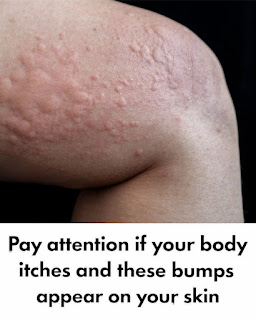
Hives, also known medically as urticaria, are red, itchy, raised welts that appear suddenly on the skin. They can vary in size, shape, and location, sometimes disappearing in hours only to reappear elsewhere. While hives are common and usually harmless, they can be uncomfortable, unsightly, and occasionally a sign of a more serious condition. Understanding why hives appear, and what triggers them, can help you manage outbreaks more effectively and reduce the risk of recurrent flare-ups.
Understanding Hives: What Happens to Your Skin?
Hives occur when the skin releases histamine and other chemicals in response to an allergen or trigger. This causes tiny blood vessels in the skin to leak fluid, creating the raised, red, itchy welts that are characteristic of hives. The underlying process involves immune system activity, and while the reaction may seem sudden, it often reflects a complex interaction between your skin, immune system, and environment.
Most hives last less than 24 hours in one spot, but chronic hives—those lasting more than six weeks—can persist intermittently for months or even years. While some people experience hives as an isolated incident, others may develop recurrent outbreaks due to a variety of triggers.
Common Triggers of Hives
Many people associate hives with allergic reactions, and while allergies are a significant cause, they are far from the only trigger. Here are the most common contributors:
1. Food Allergies
Certain foods are notorious for causing hives. These include:
- Shellfish: Shrimp, crab, and lobster
- Nuts: Peanuts, almonds, cashews
- Eggs: Particularly egg whites
- Dairy: Milk, cheese, and yogurt
Food-related hives often appear within minutes to a few hours after consuming the trigger food. In some cases, they may be accompanied by other symptoms like swelling of the lips, tongue, or throat, which could indicate a more severe allergic reaction called anaphylaxis.
2. Medication Reactions
Certain medications can trigger hives, sometimes even on the first dose. Common culprits include:
- Antibiotics: Especially penicillin and sulfa drugs
- Non-steroidal anti-inflammatory drugs (NSAIDs): Like ibuprofen and aspirin
- Blood pressure medications: Such as ACE inhibitors
If hives appear after starting a new medication, it is important to consult a doctor. While some reactions are mild, others can escalate quickly, especially if swelling or difficulty breathing occurs.
3. Infections
Viral, bacterial, and sometimes fungal infections can cause hives. Examples include:
- Common cold or flu
- Hepatitis B or C
- Urinary tract infections
- Strep throat
In these cases, hives are often accompanied by other symptoms of illness, such as fever, fatigue, or sore throat.
4. Physical Triggers
Some hives are caused not by allergies but by physical factors, often referred to as physical urticaria. These include:
- Pressure: Tight clothing or prolonged sitting can trigger hives at the contact site
- Temperature: Exposure to cold air, ice, or hot water
- Sunlight: Some people develop hives after sun exposure, a condition called solar urticaria
- Vibration or friction: Scratching, rubbing, or repetitive motion
Physical triggers can be particularly frustrating because the reaction occurs even without direct allergens.
ADVERTISEMENT
