
ADVERTISEMENT
10 Everyday Habits and Choices to Consider While Taking Amlodipine for Better Results
If you’ve been prescribed amlodipine, you’re not alone. This medication is commonly used to help manage high blood pressure and certain heart conditions, and for many people, it plays an important role in protecting long-term heart health.
However, medication doesn’t work in isolation.
The way you eat, move, sleep, hydrate, and manage daily stress can all influence how your body responds to amlodipine. Small everyday habits may not seem important on their own, but together they can support better overall results, comfort, and consistency.
This article explores 10 everyday habits and lifestyle choices worth considering while taking amlodipine—not as medical advice, but as practical, supportive actions that complement your treatment and promote general well-being.
Understanding Amlodipine (In Simple Terms)
Amlodipine belongs to a group of medications called calcium channel blockers. It works by relaxing blood vessels, allowing blood to flow more easily and helping reduce strain on the heart.
Doctors may prescribe amlodipine to:
- Help lower blood pressure
- Reduce chest pain (angina)
- Support heart and circulation health
Like many long-term medications, its effectiveness is often influenced by daily habits, consistency, and overall lifestyle.
Why Lifestyle Habits Matter When Taking Amlodipine
Medication can help manage numbers—but habits shape outcomes.
Your daily choices can affect:
- Blood pressure stability
- Fluid balance
- Energy levels
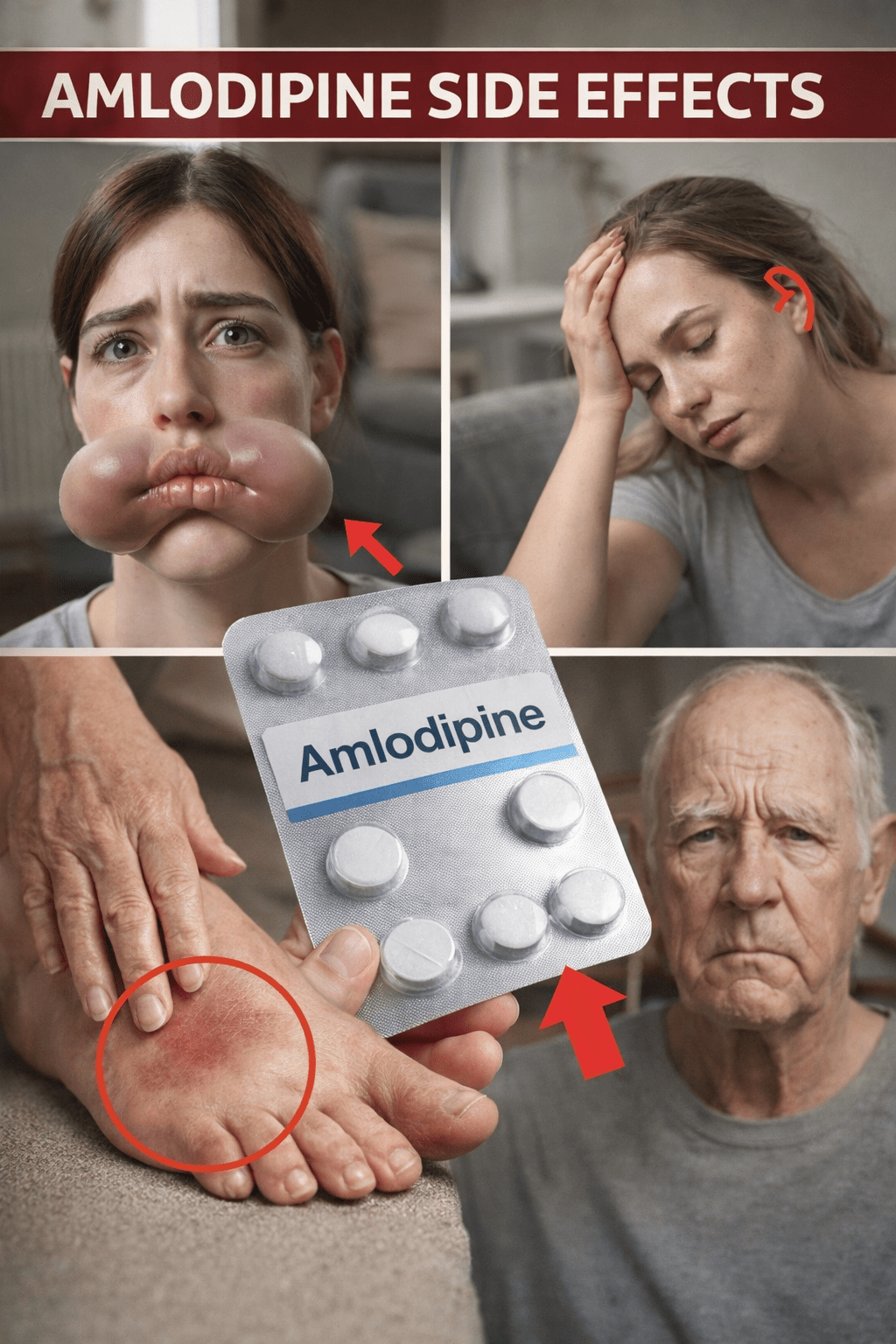
- Side effects such as swelling or dizziness
- Overall cardiovascular health
By supporting your body naturally, you give amlodipine the best environment to do its job.
1. Take Amlodipine at the Same Time Every Day
Consistency is one of the most important habits.
Taking amlodipine at the same time each day helps:
- Maintain stable levels in your bloodstream
- Reduce fluctuations in blood pressure
- Lower the chance of missed doses
Many people choose:
- Morning, as part of a routine
- Evening, if advised by their healthcare provider
The key is regularity, not the specific hour.
ADVERTISEMENT
