
ADVERTISEMENT
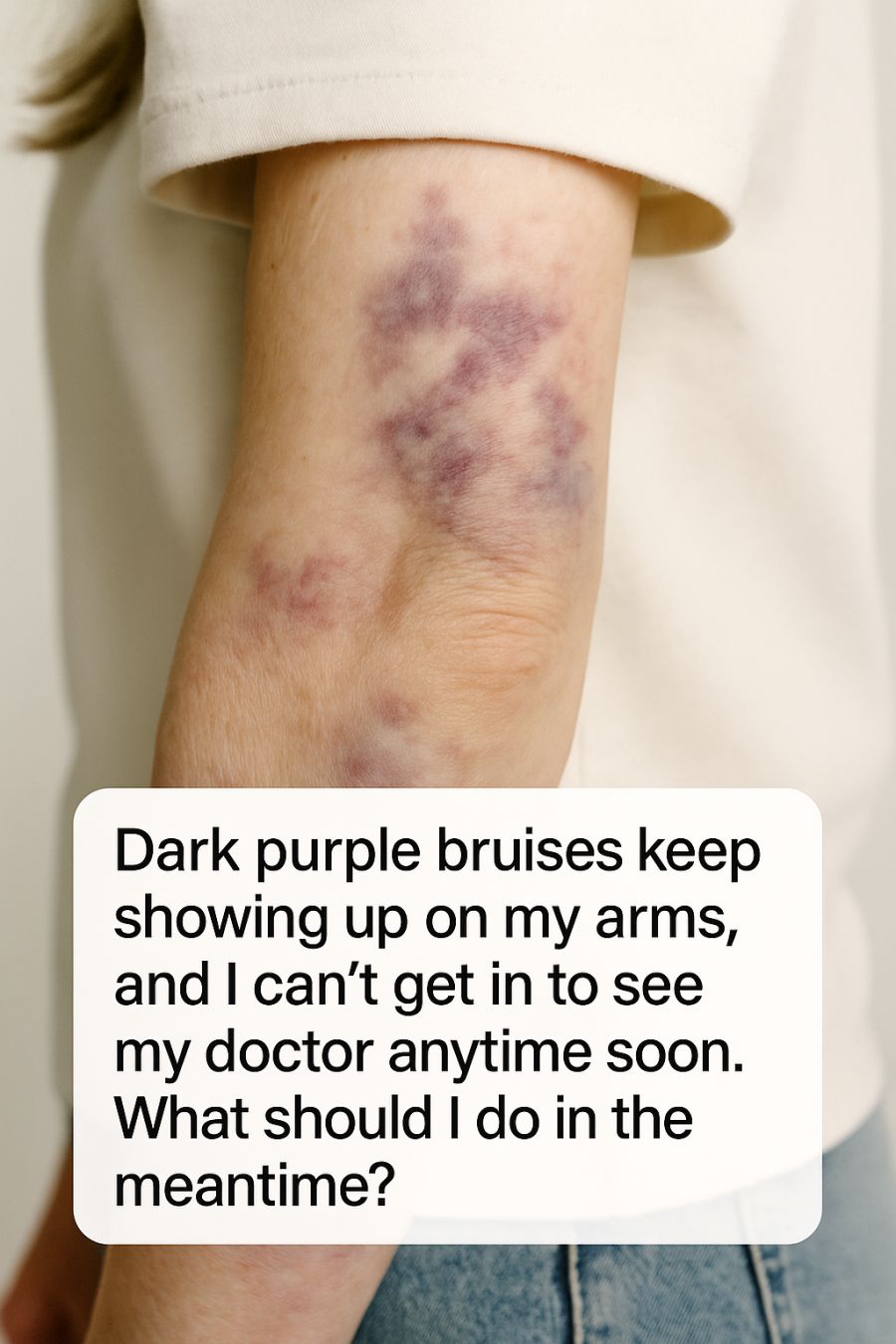
Dark Purple Bruises Keep Showing Up on My Arms, and I Can’t Get in to See My Doctor Anytime Soon. What Should I Do in the Meantime?
Noticing dark purple bruises appearing on your arms—or other parts of your body—without any clear reason can be alarming. If you’re unable to see your doctor soon, it’s important to understand what might be causing them, what steps you can safely take at home, and when you need urgent medical attention.
1. Understanding Bruises: What’s Happening to Your Skin
A bruise, also called a contusion, occurs when small blood vessels under the skin break, causing blood to pool in surrounding tissues. This typically results in a purple, blue, or black mark. Over time, bruises change color, often turning green, yellow, or brown as the body breaks down the trapped blood.
Common Causes of Bruises
- Injury or impact: Even minor bumps that you might not remember can cause bruises.
- Medication side effects: Blood thinners, certain anti-inflammatories, or supplements like fish oil and vitamin E can make bruising easier.
- Nutritional deficiencies: Lack of vitamin C, vitamin K, or iron can affect blood clotting and skin strength.
- Aging skin: As we age, skin becomes thinner and blood vessels more fragile.
- Medical conditions: Blood disorders, platelet problems, liver issues, and autoimmune conditions can also cause unexplained bruising.
2. When to Be Concerned
While occasional bruises are common, you should seek medical attention as soon as possible if you notice:
- Bruises that appear without any injury and keep recurring.
- Bruises that are large, painful, or accompanied by swelling.
- Other symptoms like frequent nosebleeds, gum bleeding, fatigue, or weakness.
- Signs of infection near a bruise: warmth, redness, or pus.
- Any changes in the size, shape, or color that worry you.
Since you mentioned you can’t get an appointment soon, it’s essential to monitor your symptoms closely. If any red flags appear, consider visiting an urgent care clinic or emergency room rather than waiting for your regular doctor.
3. Steps You Can Take at Home
While home care cannot replace professional evaluation, it can help reduce discomfort and prevent further bruising:
a) Apply Cold
- Use a cold pack or ice wrapped in a cloth for 10–15 minutes at a time.
- This is most effective within the first 24 hours of noticing a new bruise.
b) Elevate the Area
- If possible, raise your arm above heart level to reduce blood flow and swelling.
c) Protect the Skin
- Avoid bumping the area and wear protective clothing if needed.
d) Gentle Pressure Relief
- After 24 hours, gentle massage around the bruise (not directly on it) can help blood flow and healing.
e) Check Your Medications and Supplements
- If you’re taking blood thinners, aspirin, or high doses of vitamin E or fish oil, talk to a pharmacist or your doctor about whether they could be contributing to easy bruising.
f) Eat Nutrient-Rich Foods
- Ensure sufficient intake of vitamin C, vitamin K, iron, and protein, which support blood vessel and skin health.
ADVERTISEMENT
