
ADVERTISEMENT
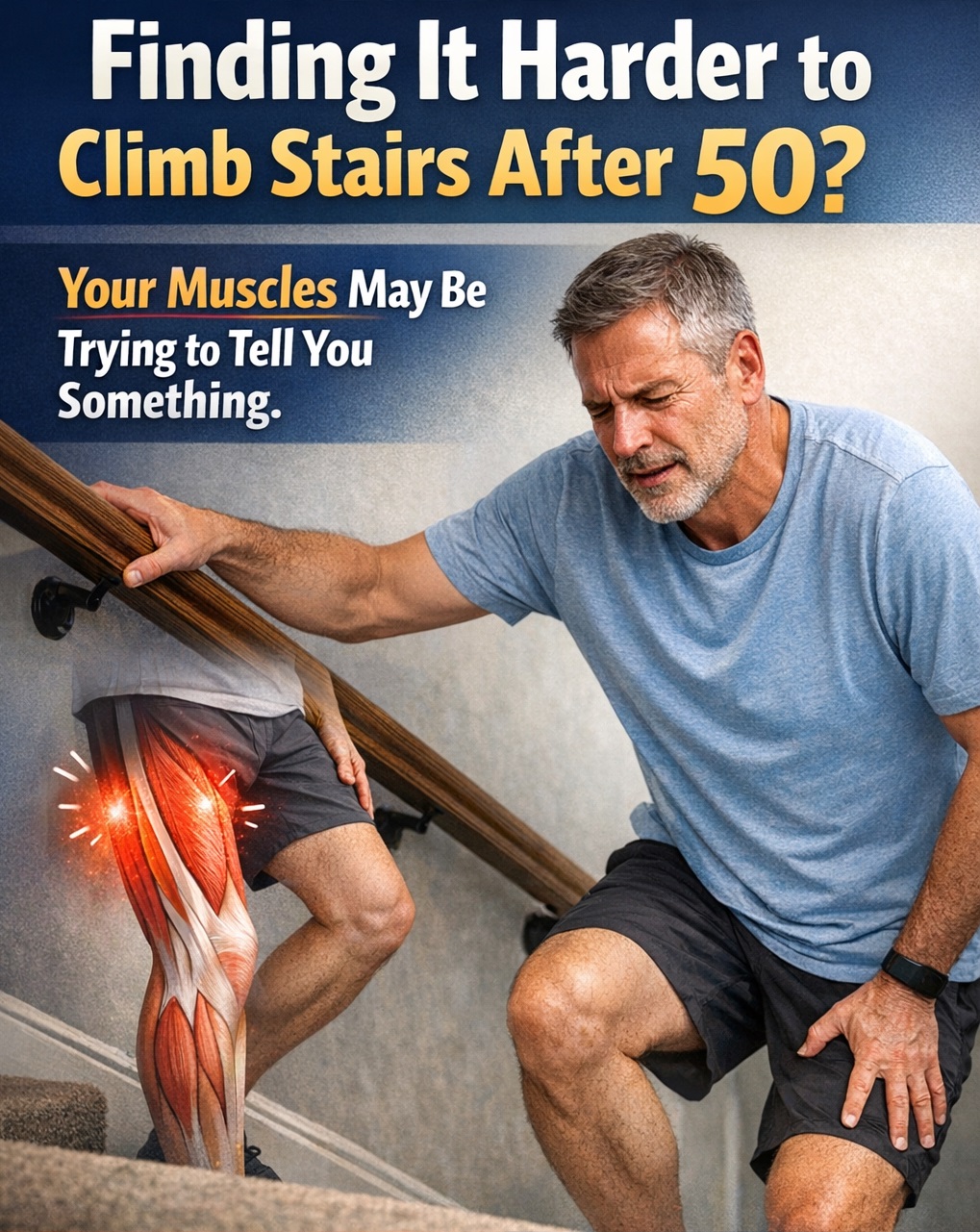
If climbing the stairs leaves you short of breath, carrying shopping bags feels heavier than it used to, or you can’t garden as long as before, you’re not alone.

Many adults over 50 in the US and UK assume these changes are simply part of getting older. But in many cases, it’s not “just age.” Your muscles may be sending an early warning signal—one that’s easy to miss, but important to recognise.
A common yet underdiagnosed condition affects millions of people after midlife. The good news? With the right lifestyle changes, it can often be slowed, managed, or even prevented.
What Is Sarcopenia?
Sarcopenia is the gradual loss of muscle mass, strength, and physical function. While it becomes more common with age, it is now recognised by medical professionals as a distinct health condition, not an unavoidable part of ageing.
If left unaddressed, sarcopenia can make everyday tasks—such as walking, standing up, lifting, or keeping your balance—more difficult. Over time, it increases the risk of falls, fractures, and loss of independence.

Why Muscle Loss Accelerates After 50
Muscle decline doesn’t happen suddenly. It develops slowly, often without obvious symptoms, and is influenced by several factors.
1. Natural Ageing Changes
From around age 30, muscle mass naturally begins to decline. After 50–60, the process speeds up due to:
- Reduced levels of muscle-supporting hormones
- Slower muscle repair and recovery
- Less efficient absorption of protein and nutrients
These changes make it harder for the body to maintain muscle strength—especially without targeted effort.
2. Modern Lifestyle Habits
Sedentary living is one of the biggest contributors to muscle loss in older adults. Common risk factors include:
- Sitting for long periods
- Avoiding strength or weight-bearing activities
- Eating too little protein
- Skipping meals or undereating
In both the US and UK, vitamin D deficiency is widespread among adults over 50—particularly in winter—which can negatively affect muscle strength and balance.
3. Long-Term Health Conditions
Certain medical conditions can silently worsen muscle loss, including:
- Type 2 diabetes
- Thyroid disorders
- Chronic inflammation
- Neurological conditions
These issues may accelerate muscle decline even when symptoms seem mild.

Early Signs Your Muscles May Be Weakening
You don’t need specialised tests to notice early warning signs. Pay attention if you experience:
- Difficulty standing up from a chair without using your arms
- Feeling unusually tired after climbing one flight of stairs
- Thinning or loss of firmness in arms or thighs
- Balance problems, frequent trips, or unexplained fatigue
If several of these apply to you, it’s worth discussing them with your GP or healthcare provider.
How Adults Over 50 Can Protect Their Muscles
The most encouraging news is that muscle strength can improve at any age—even in your 70s and beyond.
1. Move Every Day—Safely and Consistently
You don’t need a gym membership or intense workouts. Simple, regular movement works best:
- Chair squats, step-ups, or gentle lunges
- Brisk walking or climbing stairs
- Yoga, Pilates, swimming, or cycling
Aim for daily movement, even if it’s just 10–15 minutes. Consistency matters more than intensity.
2. Eat to Maintain Muscle Strength
Many adults over 50 don’t eat enough protein to support muscle health. Experts often recommend:
- 1.2–1.5 grams of protein per kilogram of body weight per day
Good, accessible protein sources include:
- Eggs, milk, yoghurt, and cheese
- Fish such as salmon, mackerel, or sardines
- Beans, lentils, and chickpeas
Supporting nutrients also matter:
- Vitamin D (especially important in the UK and northern US regions)
- Calcium for bone and muscle function
- Omega-3 fatty acids from oily fish, walnuts, or flaxseed
- Adequate hydration for muscle recovery and energy
3. Reduce What Weakens Muscles
Certain dietary habits can accelerate fatigue and muscle loss, including:
- Ultra-processed foods
- High sugar intake
- Excess saturated fats
- Regular heavy alcohol consumption
Reducing these supports muscle health and overall wellbeing.

The Takeaway
Sarcopenia is not an inevitable part of ageing. It’s a manageable condition that responds well to daily movement, proper nutrition, and early awareness.
By paying attention to subtle changes and taking action now, adults over 50 can maintain strength, balance, and independence for many years to come.
Disclaimer: This article is for informational purposes only and does not replace medical advice. Always consult your GP or healthcare provider before making changes to your diet, exercise routine, or health plan.
ADVERTISEMENT
