
ADVERTISEMENT
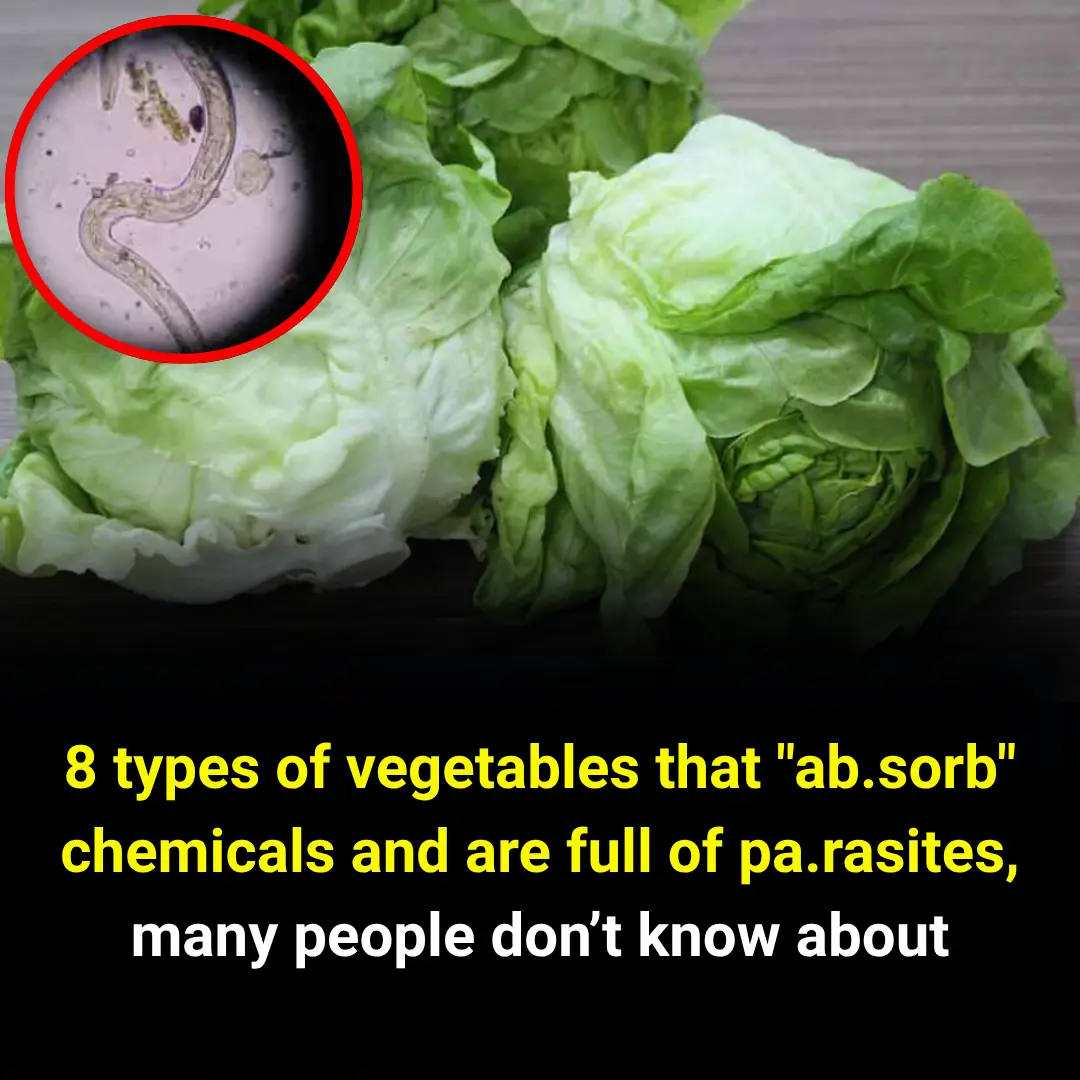
8 Vegetables That Can Carry Parasites — What Most People Don’t Know (And How to Eat Them Safely)
Vegetables are widely considered some of the healthiest foods you can eat. They’re rich in vitamins, minerals, fiber, and protective antioxidants. But there’s a side of fresh produce that many people never think about—and rarely talk about.
Parasites.
Before panic sets in, let’s be clear: vegetables themselves are not “bad,” and eating vegetables is essential for good health. However, certain vegetables are more likely than others to carry parasite eggs, larvae, or microorganisms if they are not handled, washed, or cooked properly.
This doesn’t mean you should stop eating vegetables.
It means you should understand which ones require extra care and how contamination happens.
How Do Parasites End Up on Vegetables?
Parasites don’t grow inside vegetables. They reach vegetables through contamination during growing, harvesting, or handling.
Common sources include:
- Contaminated irrigation water
- Soil containing animal or human waste
- Improper compost or manure
- Poor hygiene during harvesting or transport
- Exposure at markets or during storage
Many parasites lay microscopic eggs that are invisible to the naked eye and can cling to leaves, stems, or rough surfaces.
ADVERTISEMENT
