
ADVERTISEMENT
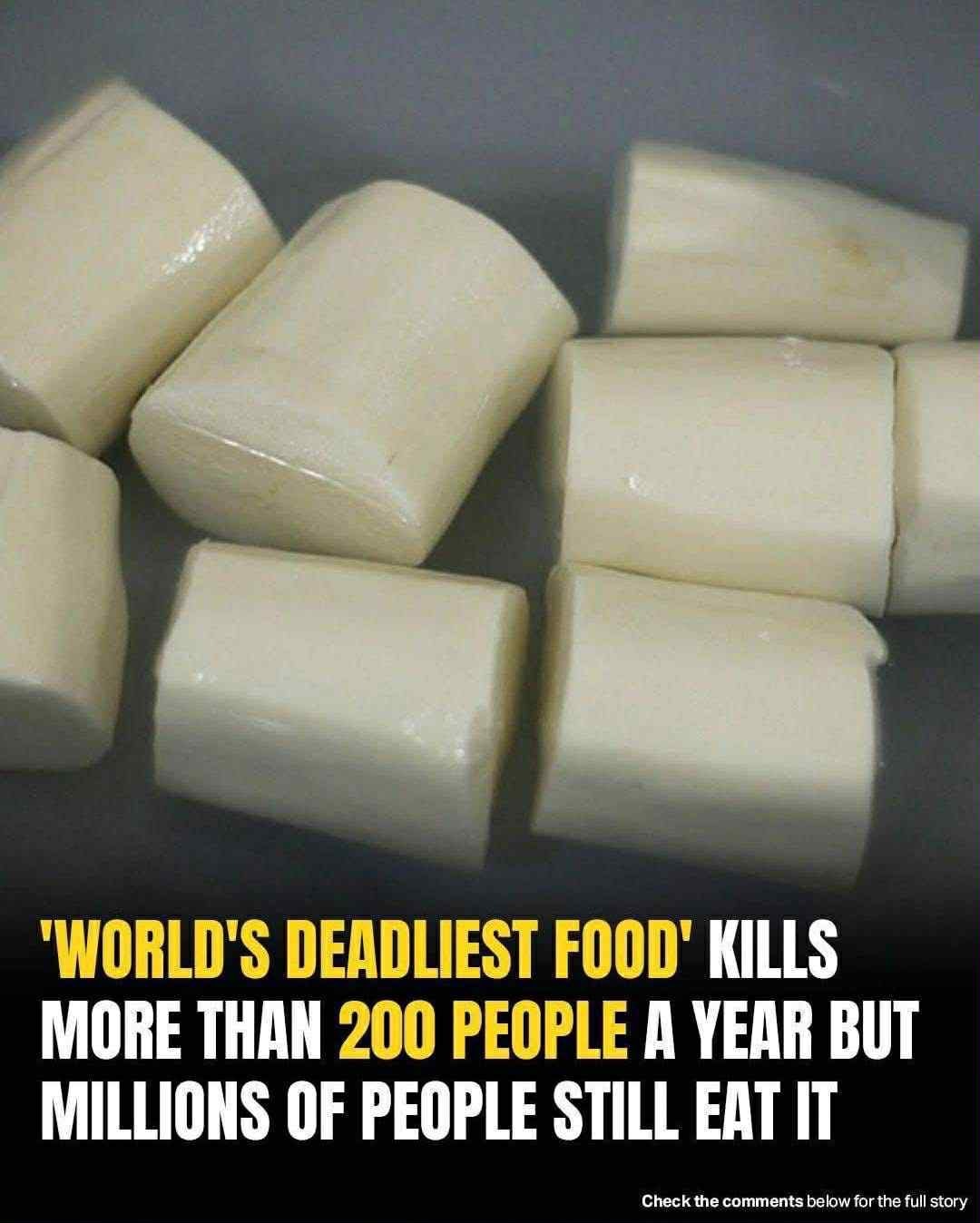
Why the “World’s Deadliest Food” Label Is Misleading
The label grabs attention—but oversimplifies the truth.
Cassava is not deadly because:
- It is not inherently poisonous when prepared correctly
- Hundreds of millions eat it safely every day
- The danger lies in circumstance, not the food itself
Many foods are dangerous when misused:
- Raw kidney beans
- Pufferfish
- Improperly canned foods
Cassava stands out only because it is so widespread.
What Doctors and Scientists Actually Say
Health experts emphasize:
- Education, not fear
- Preservation of traditional processing knowledge
- Improved access to safe preparation tools
The solution is not banning cassava, but making it safer where it is most needed.
Efforts to Reduce Cassava-Related Deaths
Global initiatives focus on:
- Breeding low-cyanide cassava varieties
- Teaching faster safe processing methods
- Improving nutrition diversity
- Raising awareness in rural communities
These efforts have already reduced poisoning rates in several regions.
Cassava and Nutrition: The Bigger Picture
Cassava is:
- High in carbohydrates
- Low in protein and micronutrients
When eaten alone for long periods, it can contribute to malnutrition—even if safely prepared.
This is why nutrition programs emphasize:
- Pairing cassava with legumes
- Adding vegetables
- Improving dietary diversity
Lessons from Cassava’s Story
Cassava teaches us important lessons about food systems:
- Context matters
- Traditional knowledge saves lives
- Headlines can distort reality
- Food safety is deeply tied to poverty and access
A food isn’t dangerous just because it can be—danger depends on conditions.
The Media’s Role in Fear-Based Food Stories
Headlines like “the world’s deadliest food” attract clicks—but often ignore nuance.
They rarely explain:
- Why people rely on that food
- How it’s safely prepared
- The social and economic forces involved
Understanding matters more than shock value.
Is Cassava Safe for You?
If you consume cassava in:
- Commercial products
- Properly prepared dishes
- Regulated food systems
Then yes, it is safe.
The risk exists primarily in crisis settings, not everyday grocery stores.
Final Thoughts
Cassava is not a villain.
It is a survivor’s crop—a plant that feeds millions when nothing else will grow.
Calling it “the world’s deadliest food” ignores its role in sustaining life, culture, and resilience across continents.
The real danger isn’t cassava itself.
It’s poverty, food insecurity, and lack of resources.
Understanding that difference matters.
ADVERTISEMENT
