
ADVERTISEMENT
How To Get Rid Of Silverfish From Your Home: A Complete, Practical Guide
Finding a silverfish in your home can be unsettling. These small, fast-moving insects seem to appear out of nowhere—darting across bathroom floors, hiding in bookshelves, or slipping behind baseboards before you can get a good look at them.
While silverfish don’t bite and aren’t dangerous to humans, they can damage household items and are a sign of excess moisture in your home. Left untreated, a small silverfish problem can quietly grow into a persistent infestation.
This guide explains everything you need to know:
- What silverfish are
- Why they invade homes
- Where they hide
- How to get rid of them effectively
- How to prevent them from coming back
Let’s take control of the problem—step by step.
What Are Silverfish?
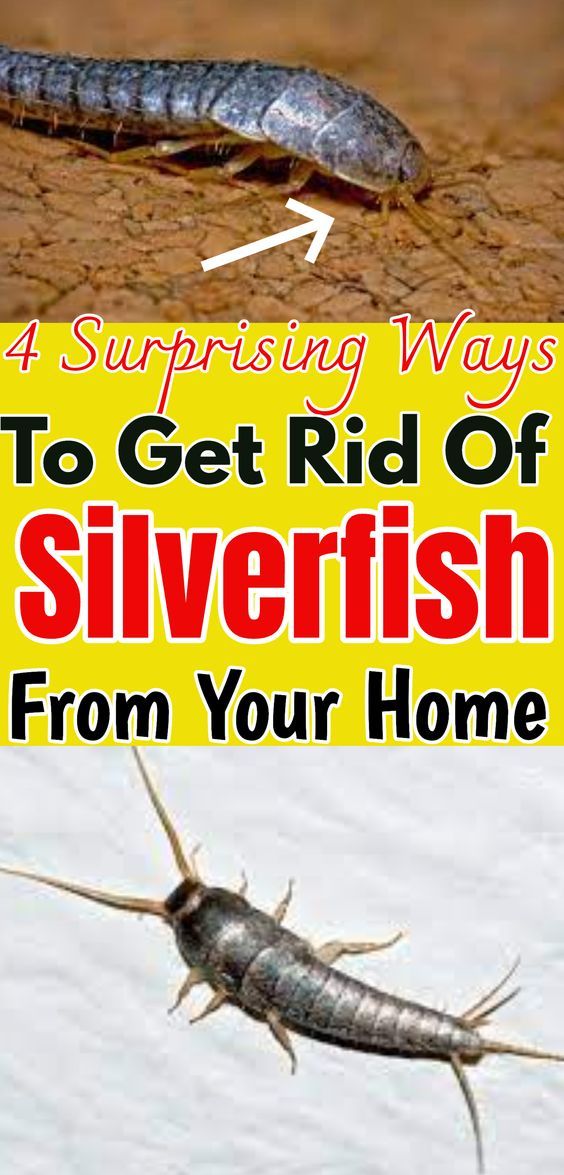
Silverfish are small, wingless insects named for their:
- Silvery-gray color
- Fish-like, wiggling movement
They typically measure:
- About ½ to 1 inch long
Silverfish have:
- Flat, teardrop-shaped bodies
- Long antennae
- Three tail-like appendages
They are nocturnal and prefer dark, quiet environments.
Are Silverfish Dangerous?
The good news: silverfish are not harmful to people.
They:
- Do not bite
- Do not sting
- Do not spread disease
However, they can cause damage by feeding on:
- Paper and books
- Wallpaper glue
- Cardboard
- Clothing (especially natural fibers)
- Stored food like flour, cereal, and sugar
Their presence also often signals a moisture problem in your home.
Why Do Silverfish Invade Homes?
Silverfish are attracted to three main things:
1. Moisture
They thrive in damp environments with high humidity.
Common problem areas:
- Bathrooms
- Basements
- Laundry rooms
- Kitchens
2. Food Sources
Silverfish eat starchy materials, including:
- Paper
- Glue
- Fabric
- Crumbs and food residue
3. Shelter
They hide in:
- Cracks and crevices
- Behind baseboards
- Under sinks
- Inside books and boxes
If your home offers moisture, food, and shelter, silverfish will move in.
ADVERTISEMENT
