
ADVERTISEMENT
Herbs and Aromatics
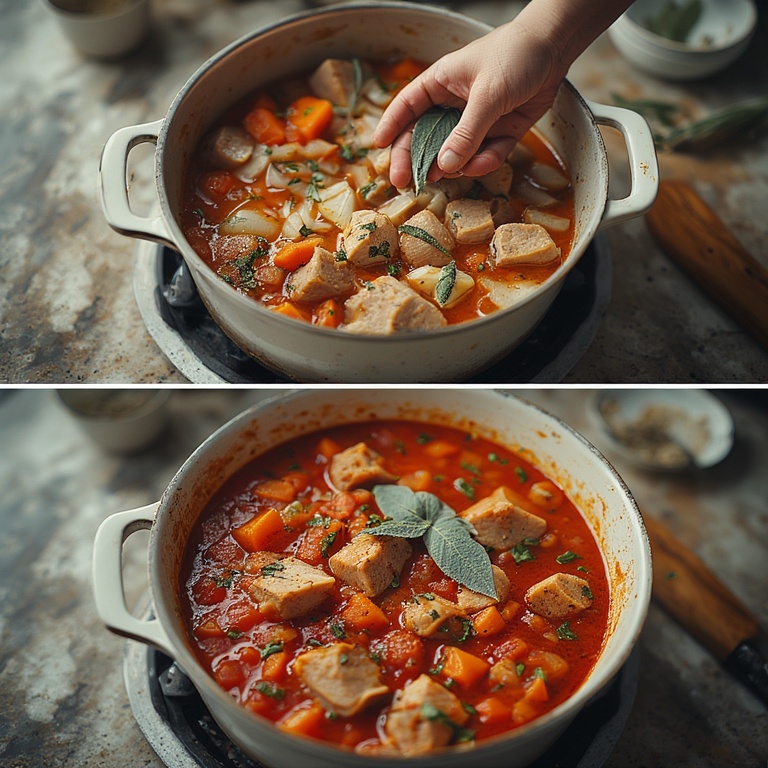
Classic additions include:
- Bay leaves
- Rosemary
- Parsley
- Garlic
These herbs complement the tripe without overpowering it. The goal is harmony, not dominance.
The Importance of Time
Trippa in umido is not fast food.
It requires:
- Gentle simmering
- Patience
- Occasional stirring
As the tripe cooks, it softens and absorbs the sauce, becoming tender and deeply flavored.
This slow transformation is the heart of the dish.
Regional Variations Across Italy
Roman-Style Trippa
Often finished with:
- Pecorino Romano
- Mint
- Extra tomato richness
Bold, savory, and unmistakably Roman.
Florentine Trippa
Sometimes lighter, with:
- More herbs
- Less tomato
- Olive oil emphasis
Elegant in its simplicity.
Northern Interpretations
May include:
- White wine
- Less tomato
- Creamier textures
Each version reflects its region’s palate.
Texture: The Make-or-Break Factor
When done correctly, tripe should be:
- Soft but not mushy
- Chewy but not tough
- Coated in sauce, not swimming in it
Texture is what converts skeptics into believers.
Why Some People Fear Tripe—and Why They Shouldn’t
Tripe often gets an unfair reputation due to:
- Misconceptions about smell
- Poorly prepared versions
- Cultural unfamiliarity
When cooked well, trippa in umido is comforting, not intimidating.
ADVERTISEMENT
