
ADVERTISEMENT
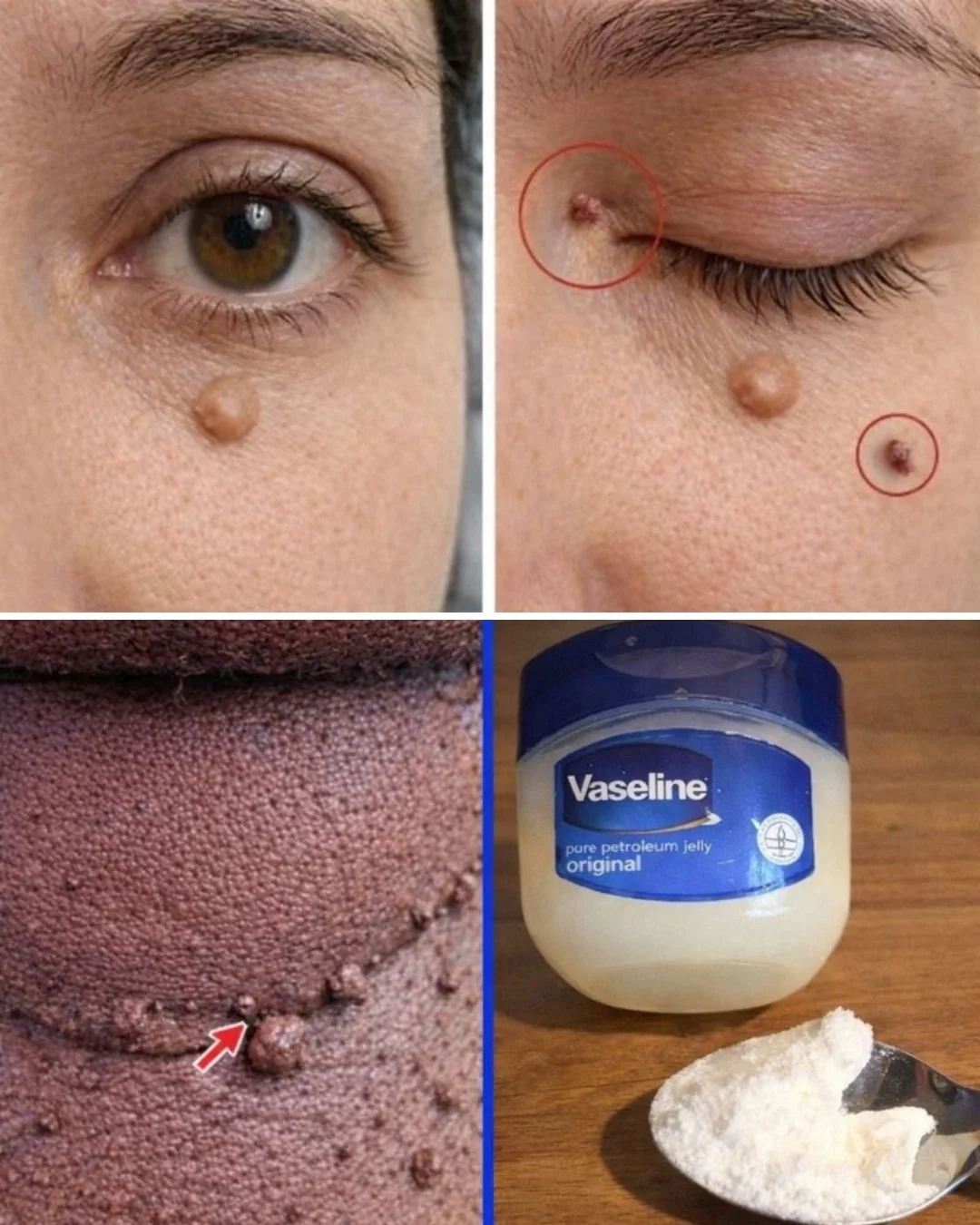
What Causes Milia to Form?
Several factors can increase the likelihood of milia:
Dead Skin Cell Buildup
When dead skin cells aren’t shed properly, keratin can become trapped beneath the surface.
Heavy or Occlusive Skincare Products
Thick creams, petroleum-based products, and heavy oils can block normal skin exfoliation.
Sun Damage
Chronic sun exposure can thicken the skin, making it harder for dead cells to shed naturally.
Skin Trauma
Any injury that disrupts the skin’s surface can lead to milia during healing.
Aging Skin
As skin ages, natural exfoliation slows, increasing the risk of milia.
Who Is Most Likely to Get Milia?
Milia can affect people of all ages and skin types, but they’re more common in:
- Adults with dry or sun-damaged skin
- People using heavy eye creams
- Those undergoing cosmetic procedures
- Individuals with poor exfoliation habits
Are Milia Dangerous?
No. Milia are completely benign and pose no health risk. Treatment is optional and based on cosmetic preference.
Why You Should Never Pop Milia at Home
Trying to remove milia yourself can:
- Damage delicate skin (especially around the eyes)
- Cause infection
- Lead to scarring
- Make the bumps more noticeable
Because milia sit deeper than pimples, squeezing them rarely works.
Safe Ways to Improve the Appearance of Milia
1. Gentle Exfoliation
Regular exfoliation helps prevent keratin buildup.
Best options include:
- Mild chemical exfoliants (lactic acid, glycolic acid)
- Low-strength salicylic acid (used cautiously)
Avoid harsh scrubs, especially around the eyes.
2. Use Lightweight, Non-Comedogenic Products
Switch to:
- Gel-based moisturizers
- Lightweight serums
- Oil-free eye creams
Avoid heavy occlusives if you’re prone to milia.
3. Introduce Retinoids Carefully
Retinoids help increase cell turnover, reducing the chance of keratin getting trapped.
- Start with a low-strength retinol
- Use 1–2 times per week initially
- Avoid the immediate eye area unless prescribed
Always use sunscreen when using retinoids.
ADVERTISEMENT
