
ADVERTISEMENT
Those Stubborn Little White Bumps: Understanding Milia and Safe Ways to Improve Your Skin’s Appearance
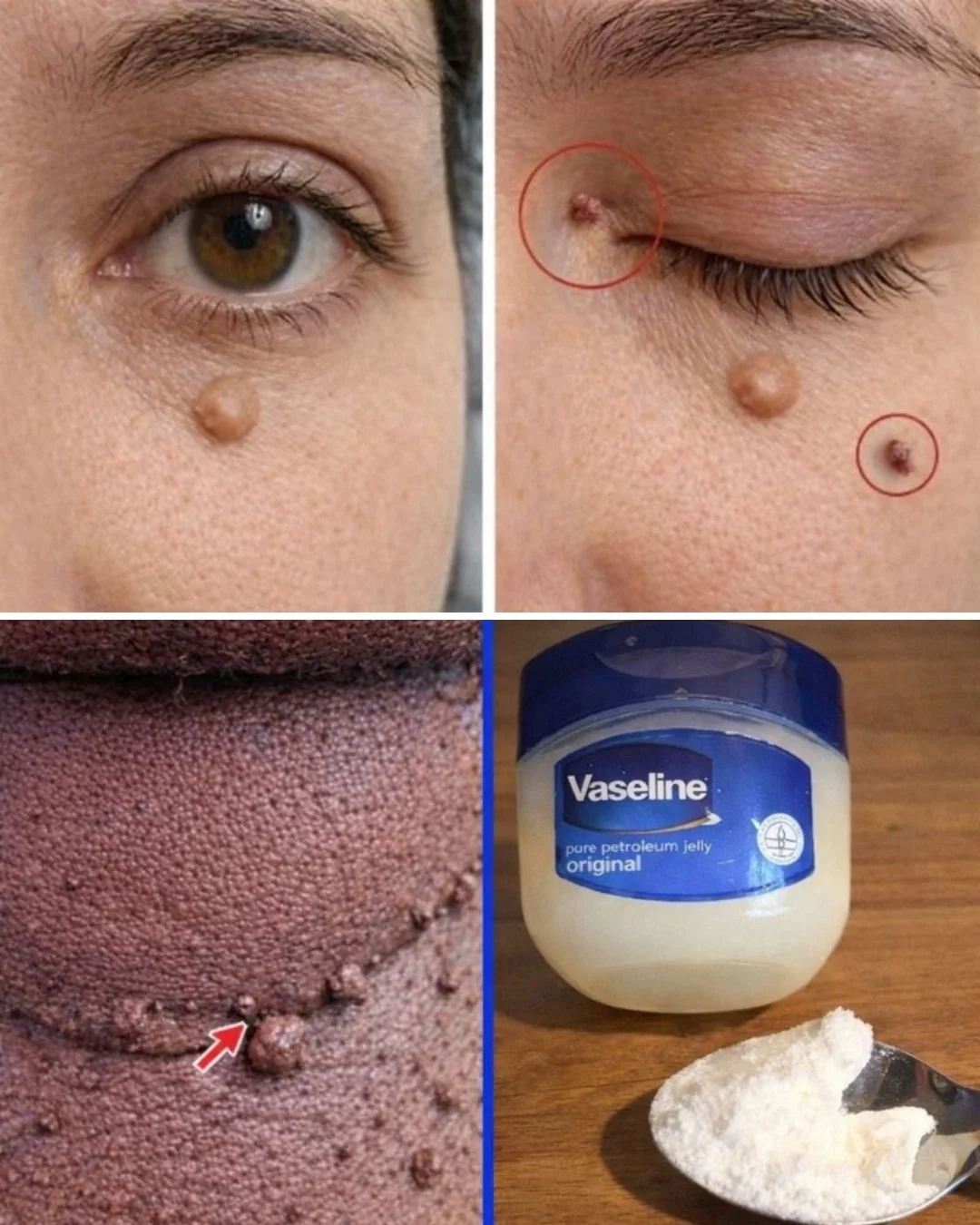
If you’ve ever looked closely in the mirror and noticed tiny white or yellowish bumps on your skin—especially around the eyes, cheeks, or nose—you’re not alone. These small, pearl-like spots are incredibly common and often stubbornly refuse to disappear, no matter how carefully you cleanse or moisturize.
These bumps are called milia, and while they’re completely harmless, they can be frustrating from a cosmetic standpoint. Many people mistake them for whiteheads or acne and try to pop or scrub them away—often making the problem worse.
In this in-depth guide, we’ll explore what milia are, why they form, who is most likely to get them, and safe, dermatologist-approved ways to improve your skin’s appearance without causing damage.
⚠️ Important note: This article is for educational purposes only and does not replace professional dermatological advice.
What Are Milia?
Milia (singular: milium) are small, firm, white or yellowish bumps that form just beneath the surface of the skin. They typically measure 1–2 millimeters in diameter and have a smooth, dome-like appearance.
Unlike acne, milia are not caused by bacteria, clogged pores, or inflammation. Instead, they form when keratin—a protein found in skin, hair, and nails—becomes trapped beneath the skin’s surface.
Why Milia Are Often Misunderstood
One of the biggest reasons milia cause confusion is that they look like whiteheads. However, they are very different:
- Whiteheads are clogged pores filled with oil and bacteria
- Milia are keratin-filled cysts with no opening to the surface
Because milia don’t have an opening, squeezing them at home is ineffective and risky.
Common Areas Where Milia Appear
Milia can develop anywhere, but they most often show up on:
- Under the eyes
- Eyelids
- Cheeks
- Nose
- Forehead
In infants, milia commonly appear on the nose and are completely normal.
Different Types of Milia
1. Primary Milia
Primary milia occur when keratin becomes trapped in otherwise healthy skin. They’re most common in adults and typically appear on the face.
2. Secondary Milia
Secondary milia form after skin trauma, such as:
- Burns
- Blistering rashes
- Laser treatments
- Dermabrasion
In these cases, milia develop as the skin heals.
3. Neonatal Milia
Up to half of newborns develop milia. These usually disappear on their own within a few weeks.
4. Milia en Plaque (Rare)
This is a rare condition where multiple milia cluster together on inflamed skin.
ADVERTISEMENT
