
ADVERTISEMENT
Step 1: Preparing the Dough
The process begins with warming milk until it’s just warm to the touch—not hot. Yeast is added and allowed to bloom, creating a foamy surface that signals it’s alive and ready.
Once the yeast is activated, sugar, melted butter, eggs, and flour are mixed together until a soft dough forms. Kneading develops gluten, giving the dough elasticity and strength.
The dough should feel:
- Soft but not sticky
- Smooth and elastic
- Slightly tacky to the touch
Step 2: The First Rise
After kneading, the dough is placed in a lightly greased bowl, covered, and left to rise in a warm place.
This first rise allows the dough to:
- Double in size
- Develop flavor
- Relax for easier rolling
Patience here makes all the difference.
Step 3: Making the Cinnamon Filling
While the dough rises, the filling comes together. Soft butter is spread generously over rolled dough, followed by a thick layer of brown sugar and cinnamon.
Brown sugar adds moisture and depth, while cinnamon provides that signature warmth.
For extra richness, some bakers add:
- A pinch of nutmeg
- A dash of vanilla
- A touch of heavy cream later
Step 4: Rolling and Shaping
Once risen, the dough is rolled into a large rectangle. Even thickness is important to ensure uniform rolls.
After spreading the filling, the dough is rolled tightly into a log. Slicing creates beautiful spirals that will rise again and puff up during baking.
Step 5: The Second Rise
The cut rolls are placed in a baking dish with a little space between them. During the second rise, they expand and touch, creating that pull-apart softness everyone loves.
This rise ensures:
- Light texture
- Even baking
- Soft sides
Skipping or rushing this step leads to dense rolls.
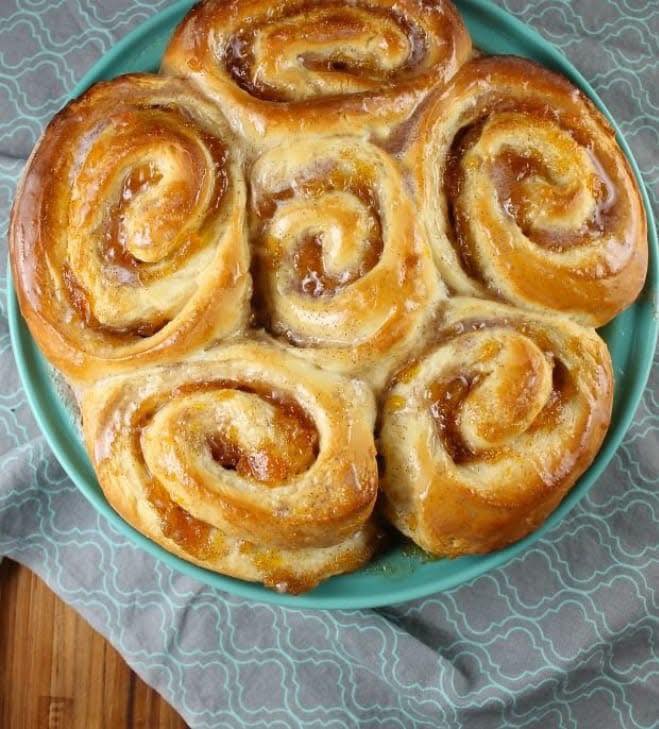
Step 6: Baking to Sticky Perfection
Cinnamon rolls are baked until:
- Light golden on top
- Soft in the center
- Fragrant and bubbly
Overbaking dries them out, so watching the oven is key.
ADVERTISEMENT
