
ADVERTISEMENT
How to Get Rid of Milia: Understanding and Managing Those Annoying Tiny Cysts
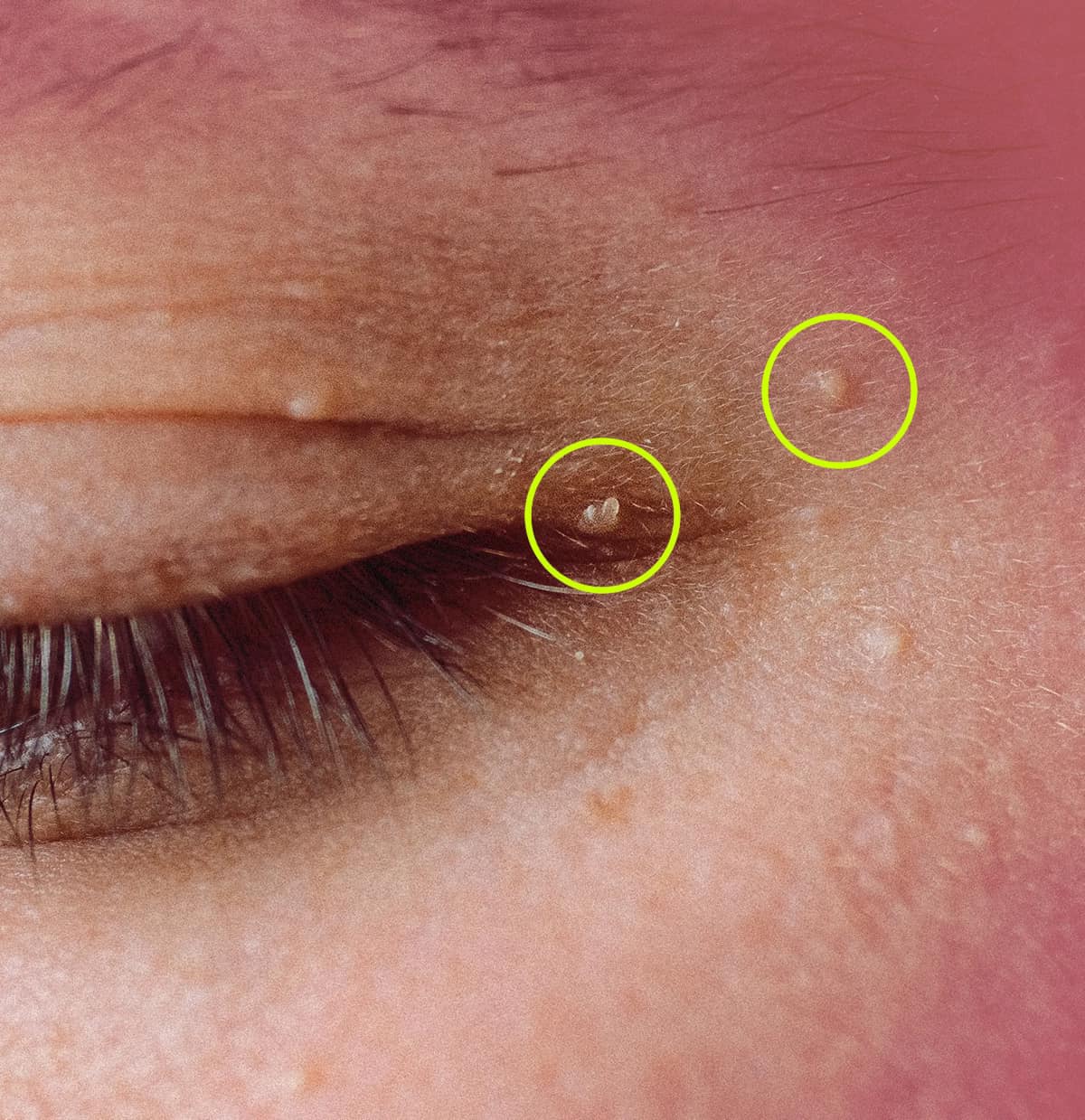
If you’ve ever noticed tiny, stubborn white or yellowish bumps on your face that don’t behave like pimples, you’re not alone. These small, pearl-like bumps are called milia, and while they are completely harmless, they can be frustratingly difficult to get rid of.
Milia often appear around the eyes, cheeks, nose, or forehead, and unlike acne, they don’t pop, drain, or respond to typical spot treatments. Many people mistake them for whiteheads, only to find that squeezing makes things worse—or does nothing at all.
The good news? Milia are common, non-dangerous, and manageable once you understand what they are, why they form, and how to treat them properly.
In this in-depth guide, we’ll cover:
- What milia are (and what they are not)
- Why they form in adults and children
- Common myths and mistakes
- Safe ways to reduce and prevent them
- When professional treatment is appropriate
What Are Milia?
Milia (singular: milium) are tiny cysts filled with keratin, a protein naturally found in skin, hair, and nails. They form when keratin becomes trapped beneath the surface of the skin instead of shedding naturally.
Key Characteristics of Milia
- Small (1–2 mm)
- White or yellowish
- Firm to the touch
- Not inflamed or red
- Do not contain pus
- Do not respond to squeezing
Milia are not acne, not an infection, and not a sign of poor hygiene.
Why Milia Are Often Confused With Acne
At first glance, milia look like whiteheads. However, there are important differences:
| Milia | Whiteheads |
|---|---|
| Keratin-filled cyst | Oil and bacteria |
| No pore opening | Blocked pore |
| Very firm | Softer |
| Cannot be popped | Often can |
| No inflammation | May be red |
Trying to treat milia like acne is one of the most common mistakes—and often makes them worse.
ADVERTISEMENT
