
ADVERTISEMENT
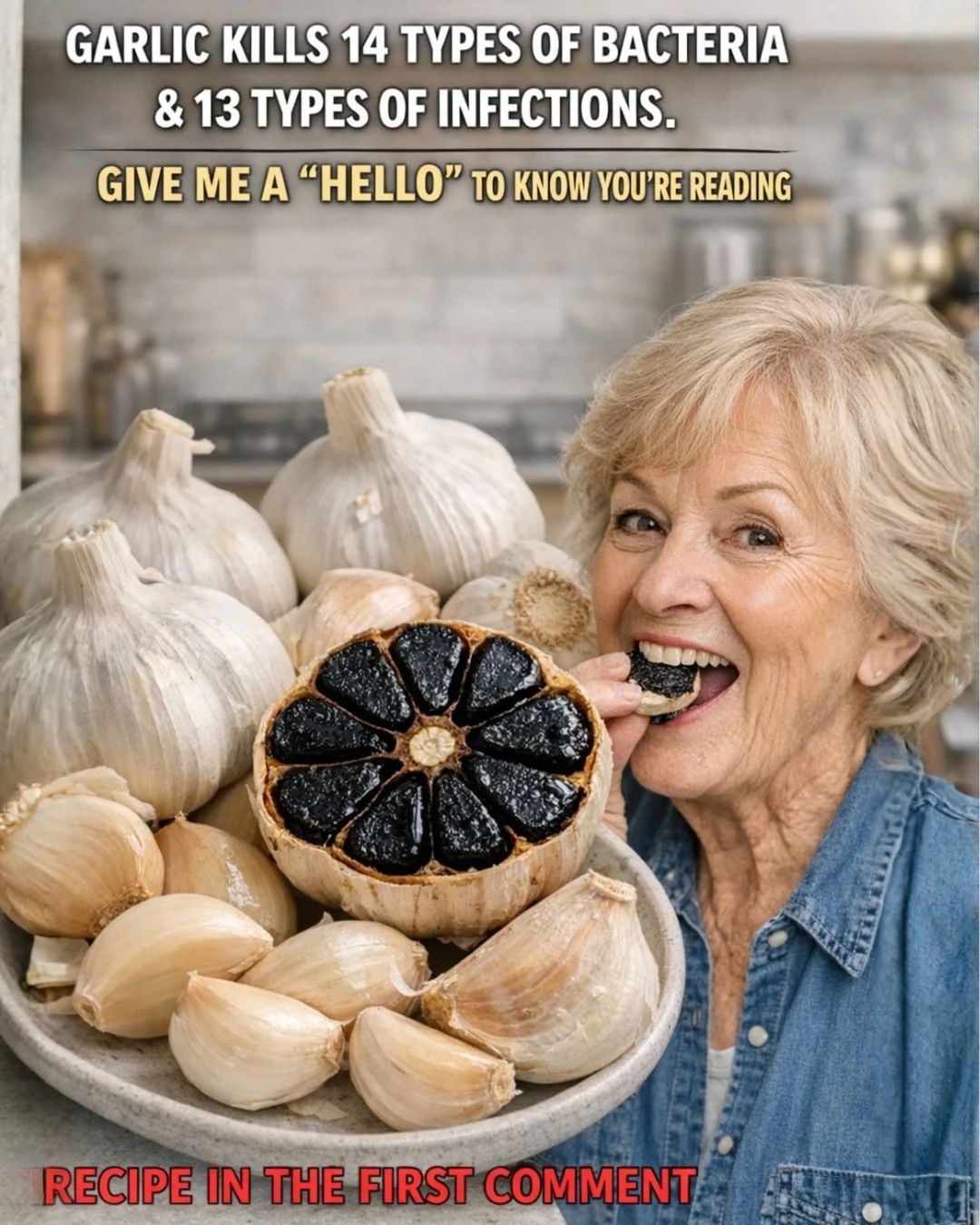
Garlic Kills 14 Types of Bacteria: The Natural Antibiotic You Need to Know
Garlic has been used for thousands of years not just as a culinary staple, but also as a powerful symbol of natural healing. Ancient civilizations—from Egypt and Greece to China and India—valued garlic for its ability to support the body during illness and infection. Long before antibiotics existed, garlic was one of nature’s most trusted remedies.
Today, modern science has begun to explore what traditional healers always believed: garlic contains compounds that show antibacterial activity against many types of bacteria. While garlic is not a replacement for prescribed antibiotics, research suggests it may play a valuable supportive role in overall wellness and immune health.
In this article, we’ll explore:
- Why garlic is often called a “natural antibiotic”
- The key compound responsible for its antibacterial activity
- Types of bacteria studied in garlic research
- How garlic works in the body
- Safe ways to use garlic for wellness
- Important limitations and precautions
Garlic’s Long History as a Healing Food
Garlic (Allium sativum) has been used medicinally for more than 5,000 years.
Historical Uses of Garlic:
- Ancient Egyptians fed garlic to pyramid builders for strength and endurance
- Greek physicians used garlic to support lung and digestive health
- Traditional Chinese medicine used garlic for infections and digestion
- Ayurvedic medicine valued garlic for balance and vitality
This long history laid the foundation for modern scientific curiosity.
Why Garlic Is Often Called a “Natural Antibiotic”
The term “natural antibiotic” does not mean garlic works exactly like pharmaceutical antibiotics. Instead, it refers to garlic’s ability to inhibit or slow the growth of certain bacteria under laboratory conditions.
Unlike synthetic antibiotics, garlic:
- Contains multiple bioactive compounds
- Acts through several mechanisms
- Has been studied for broad-spectrum activity
This complexity is one reason bacteria may struggle to develop resistance to garlic compounds.
The Key Compound: Allicin
Garlic’s antibacterial power comes largely from a compound called allicin.
How Allicin Forms:
- Whole garlic cloves contain alliin
- When garlic is chopped, crushed, or chewed, alliin converts into allicin
- Allicin is unstable but highly bioactive
What Allicin Does:
- Interferes with bacterial enzyme systems
- Disrupts bacterial cell membranes
- Inhibits bacterial growth and replication
Fresh, raw garlic produces the highest allicin levels.
ADVERTISEMENT
