
ADVERTISEMENT
Why Does a Green Ring Appear Around Hard-Boiled Eggs? Understanding the Science Behind the Phenomenon
If you’ve ever boiled an egg, peeled it, and noticed a greenish-gray ring forming around the yolk, you may have wondered: “Why does this happen?” This common occurrence has intrigued home cooks, chefs, and food enthusiasts for generations. While it may look unappetizing, the green ring is generally harmless and has a scientific explanation rooted in chemistry, cooking techniques, and even water quality.
In this article, we will explore why a green ring appears around hard-boiled eggs, the factors that contribute to it, how to prevent it, and what it means for taste and nutrition. By the end, you’ll have a deeper understanding of your favorite breakfast food and the best practices for perfectly cooked eggs.
The Green Ring: What It Is
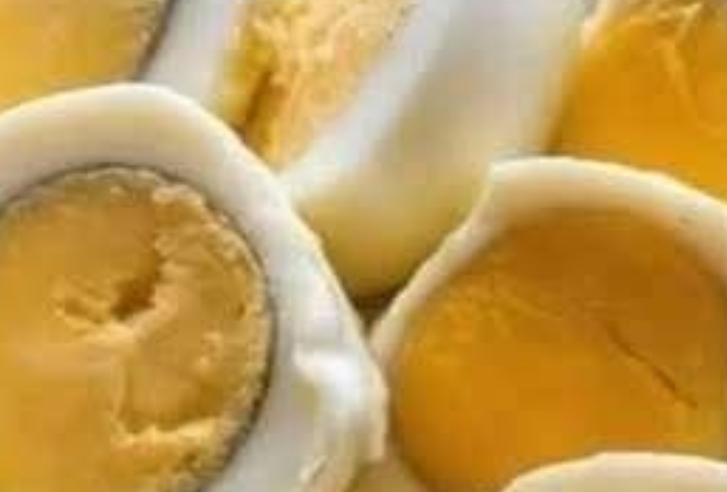
When you hard-boil an egg, the egg white and yolk are transformed through heat. Normally, the yolk is a vibrant yellow, encased in a firm white. However, under certain conditions, a greenish or grayish ring can form at the interface between the yolk and the egg white.
Chemically, this green ring is primarily composed of ferrous sulfide (FeS), a compound formed when sulfur from the egg white reacts with iron from the yolk. This reaction occurs most often when eggs are overcooked or exposed to high heat for extended periods.
While visually unusual, ferrous sulfide is safe to eat and does not indicate spoilage. However, many people prefer to avoid the green ring for aesthetic reasons or to achieve the perfect, creamy yolk texture.
The Science Behind the Green Ring
Understanding the chemistry of eggs helps explain why the green ring forms. Here’s a closer look at the science:
1. Sulfur in Egg Whites
Egg whites contain proteins rich in sulfur. When eggs are heated, these proteins denature, releasing hydrogen sulfide (H₂S) gas.
2. Iron in Egg Yolks
The yolk contains iron, a trace mineral essential for many bodily functions. When hydrogen sulfide gas meets iron at the surface of the yolk, a chemical reaction occurs:
H₂S (from egg white) + Fe (from yolk) → FeS (ferrous sulfide)
Ferrous sulfide is greenish-gray in color and forms a ring around the yolk, most visible when the egg is sliced.
3. Heat and Cooking Time
The longer eggs are exposed to heat, the more hydrogen sulfide is released. Overcooking increases the likelihood of a green ring forming. Conversely, gently cooked eggs minimize this reaction.
4. pH Levels of the Egg
Eggs naturally become more alkaline as they age. Fresh eggs tend to have a lower pH, while older eggs have a higher pH. The higher alkalinity of older eggs accelerates the sulfur-iron reaction, making green rings more pronounced.
Historical Context of Hard-Boiled Eggs
Hard-boiled eggs have been consumed for thousands of years. Archaeological evidence suggests that humans have been boiling eggs since at least 1400 BCE.
In traditional cooking, overcooked eggs were common due to uneven heat sources. Ancient cooks often encountered green rings, but without the scientific understanding we have today, they considered it either a minor culinary flaw or simply a natural occurrence.
Today, thanks to modern stovetops, precise timers, and temperature control, achieving a perfectly cooked egg without green discoloration is much easier.
How Cooking Methods Affect Green Ring Formation
The method used to boil eggs has a significant impact on whether a green ring appears. Let’s explore the most common techniques:
1. Boiling in Water
Boiling eggs in rapidly boiling water increases the risk of overcooking. The high heat accelerates the release of hydrogen sulfide from the whites, which reacts with the yolk iron to form the green ring.
2. Steaming
Steaming eggs provides gentler, more even heat, reducing the likelihood of green rings. Many professional chefs recommend steaming for consistent results and a tender yolk.
3. Baking or “Oven Boiling”
Some recipes call for baking eggs in the shell at controlled temperatures. This method usually prevents excessive green ring formation because heat is more evenly distributed.
4. Pressure Cooking or Instant Pot
Pressure cooking eggs can also yield green-ring-free results when timed correctly. Quick cooling after cooking helps stop the chemical reaction before it produces noticeable discoloration.
ADVERTISEMENT
