
ADVERTISEMENT
Surprising Triggers You May Not Know About
Beyond the common causes, hives can sometimes be sparked by unexpected factors that many people overlook. Awareness of these can help prevent unnecessary flare-ups.
1. Stress and Anxiety
Psychological stress is a surprisingly common trigger for hives. When the body is under stress, it releases chemicals like cortisol and histamine, which can exacerbate inflammation in the skin. Chronic stress may lead to persistent or recurrent hives, even without any food or environmental trigger.
2. Exercise-Induced Hives
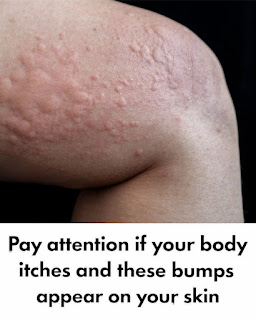
Some individuals experience hives specifically during or after exercise. This condition, known as exercise-induced urticaria, can occur alone or in combination with food triggers, like eating certain foods before working out. Symptoms often include redness, itching, and swelling, particularly on the trunk and arms.
3. Hormonal Changes
Hormonal fluctuations, especially in women, can trigger hives. Pregnancy, menstruation, or thyroid imbalances can affect the immune system’s response and increase skin sensitivity. For some, hives appear cyclically in sync with hormonal changes.
4. Environmental Chemicals
Even everyday products can trigger hives in sensitive individuals. These include:
- Detergents and soaps
- Shampoos or body washes
- Cosmetics and skincare products
- Cleaning agents
Patch testing can help identify sensitivities to specific chemicals, helping prevent repeated outbreaks.
5. Alcohol and Additives
Alcohol, particularly in combination with histamine-rich foods or beverages, can trigger hives. Additionally, some food additives like preservatives, artificial colors, and flavor enhancers can provoke skin reactions.
Chronic vs. Acute Hives: What’s the Difference?
Hives are categorized based on duration:
- Acute hives: Last less than six weeks and usually have an identifiable trigger, such as a food allergy or infection.
- Chronic hives: Persist longer than six weeks, often with no clear trigger. Stress, autoimmune conditions, and chronic infections are frequently implicated.
Chronic hives can significantly affect quality of life, causing sleep disturbances, social embarrassment, and anxiety about flare-ups.
Diagnosing Hives
If you experience frequent or severe hives, a dermatologist or allergist can help determine the cause. Diagnosis often involves:
- Medical History: Questions about recent foods, medications, illnesses, and lifestyle factors.
- Physical Examination: Observing the pattern, location, and characteristics of the hives.
- Allergy Testing: Skin prick tests or blood tests for common allergens.
- Challenge Testing: Occasionally, doctors may reintroduce suspected triggers under controlled conditions.
- Lab Tests: To rule out infections, autoimmune disorders, or thyroid problems if hives are chronic.
ADVERTISEMENT
