
ADVERTISEMENT
What Scientific Research Has Found
Modern science has begun to investigate many traditional claims, offering early evidence for some applications while reminding us that rigorous human studies remain limited.
1. Anti-Asthmatic Potential
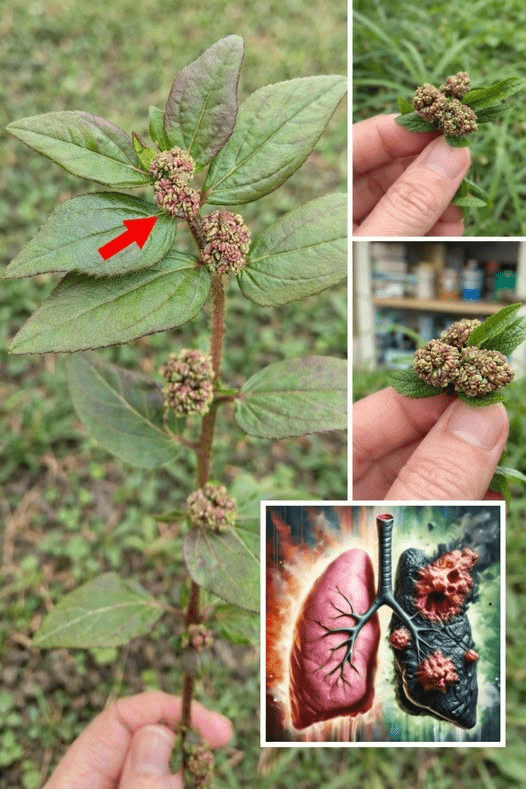
Several studies — mainly in animal models — suggest Euphorbia hirta extracts may have anti-asthmatic properties. Research using methanolic extracts found reduced airway inflammation, decreased bronchoconstriction, and improved lung function in asthmatic rats. These effects are thought to be mediated by flavonoid compounds that inhibit histamine release and relax bronchial smooth muscle. journalejmp.com+1
These findings provide a scientific basis for the traditional use of the plant to ease respiratory symptoms, though clinical trials in humans are needed before medical recommendations can be made.
2. Antimicrobial Activity
Laboratory investigations point to antimicrobial effects against a variety of bacterial strains. Some extracts have shown inhibitory activity against Escherichia coli, Staphylococcus aureus, and Klebsiella pneumoniae, suggesting potential value in managing infections traditionally treated with this herb. PMC
3. Antidiarrheal and Gastrointestinal Effects
Studies support the antidiarrheal action of Euphorbia hirta, consistent with its traditional use. Its tannins and flavonoids may exert astringent effects on the gastrointestinal lining, helping reduce diarrhea severity. PMC
4. Antioxidant and Antidiabetic Activities
Research in animal models has shown that Euphorbia hirta extracts possess antioxidant potential and may exhibit antidiabetic effects by influencing oxidative stress markers and improving metabolic parameters in diabetic rats. Such findings hint at broader health effects worthy of more exploration. PubMed
5. Anti-Inflammatory and Pain Modulation
Extracts from this plant have also demonstrated dose-dependent anti-inflammatory effects in lab models, providing mechanistic support for its traditional use in pain and inflammatory conditions. PMC
Methods of Traditional Preparation
Across cultures, Euphorbia hirta is prepared in various ways, depending on the intended use:
Decoction or Tea
Leaves and stems are boiled in water to make a herbal drink, often consumed for respiratory, gastrointestinal, or general wellness support. Bern Healthy
Poultice
Crushed fresh leaves applied to skin for poultices targeting wounds, rashes, or inflammation. Vegetable Garden Blog
Topical Pastes
Ground leaves or extracts mixed with water or oil to apply directly to affected skin areas. Vegetable Garden Blog
Inhalation
Steam from boiled plant material inhaled to help with congestion. Gardening Soul
These traditional preparations emphasize local medicinal knowledge passed down through generations.
Safety and Precautions
Despite the many reported uses, Euphorbia hirta isn’t without risks:
Milky Latex and Irritation
Like many Euphorbia species, the plant contains a milky sap that can be irritating to skin and mucous membranes. Caution is advised when handling fresh plants. Wisdom Library
Potential Toxicity
High doses and concentrated extracts may have adverse effects. Because of this, traditional use is generally cautious and moderate, and modern healthcare consultation is strongly recommended before use. Wisdom Library
Consult Healthcare Professionals
People with existing health conditions, pregnant or nursing women, and individuals taking medications should consult professionals before using Euphorbia hirta. Scientific studies are not sufficient to establish standardized safe doses for humans.
Modern Applications and Alternative Research Avenues
Interest in Euphorbia hirta continues to grow in scientific circles. Recent reviews suggest that:
- Its bioactive compounds might be developed into standardized herbal formulations for respiratory and inflammatory conditions. journalejmp.com
- Researchers are investigating its broader pharmacological potential, including anticancer and antiviral activities. bmrat.biomedpress.org
Studies also stress that innovation in extraction and formulation strategies could lead to new health products rooted in traditional knowledge yet validated by modern science. journalejmp.com
Conclusion: Tradition Meets Science
Euphorbia hirta stands at the fascinating crossroads of traditional medicine and scientific inquiry. For centuries, it has served as a versatile herb across cultures — especially as a remedy for respiratory ailments like asthma, digestive concerns, skin issues, and more. Bern Healthy
Today, research supports several traditional uses and provides deeper insights into its phytochemistry and biological activities. While promising, the science remains preliminary, particularly regarding clinical effectiveness in humans. What is clear, however, is that Euphorbia hirta is more than a weed — it is a plant with a compelling legacy and potential that continues to inspire researchers.
Whether you’re drawn by its ethnobotanical history or its modern research promise, understanding Euphorbia hirta offers a vibrant example of how nature and culture interweave in the ongoing exploration of medicinal plants.
ADVERTISEMENT
