
ADVERTISEMENT
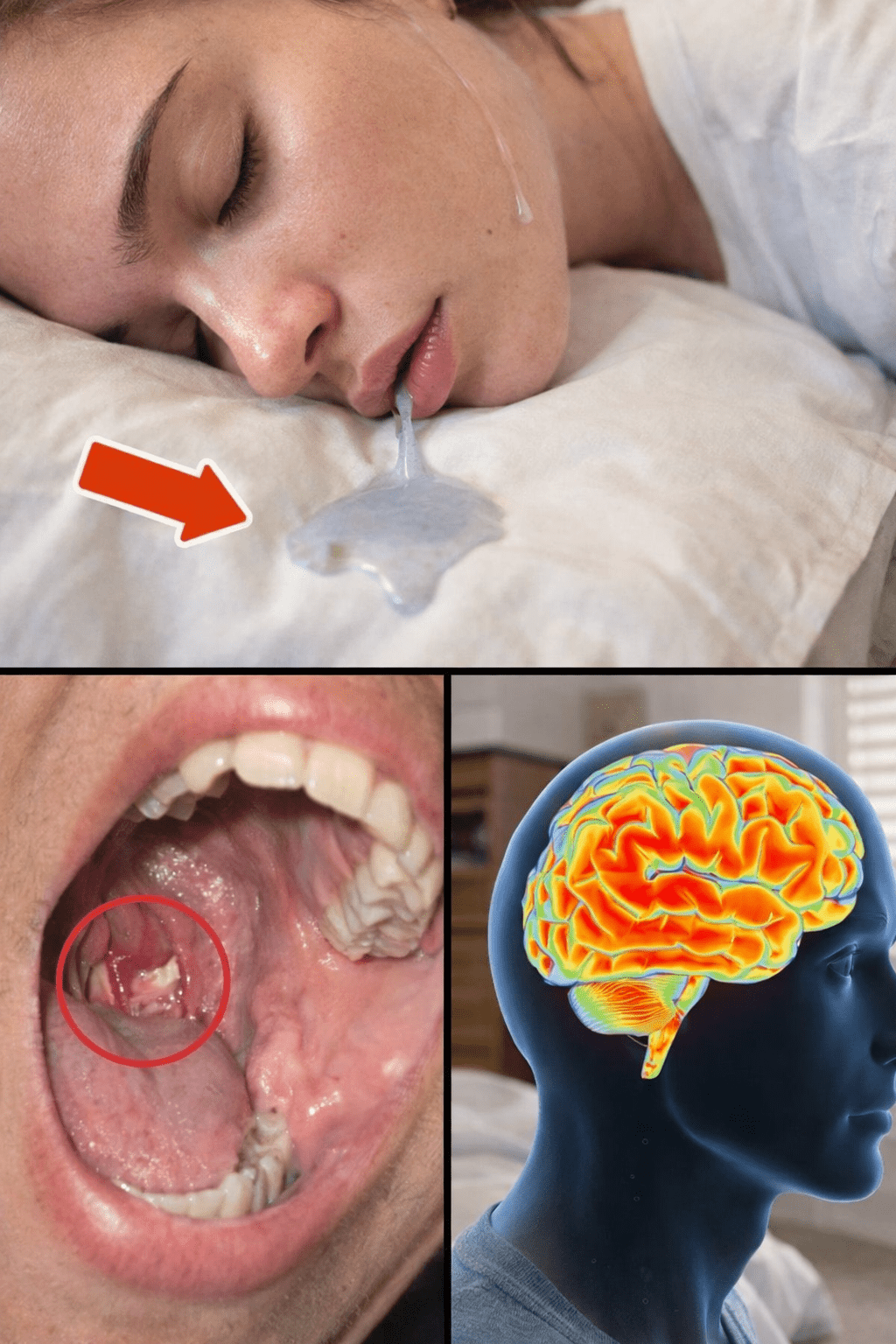
5. Excess Saliva Production (Hypersalivation)
When the Body Produces Too Much Saliva
Some adults naturally produce more saliva, especially at night.
Possible triggers include:
- Acid reflux (GERD)
- Certain foods eaten before bed
- Medications
- Dental issues
The body may increase saliva production as a protective response—particularly in acid reflux, where saliva helps neutralize stomach acid.
If too much saliva is produced and swallowing slows during sleep, drooling becomes more likely.
6. Medications and Their Side Effects
Drugs That Can Increase Drooling
Several medications list drooling or excess saliva as a side effect, including:
- Certain antidepressants
- Antipsychotics
- Sedatives and sleeping pills
- Medications affecting the nervous system
These medications may:
- Relax facial muscles
- Reduce swallowing frequency
- Increase saliva production
If drooling started after beginning a new medication, this may be the cause.
7. Jaw, Dental, or Oral Structure Issues
Structural Factors That Affect Saliva Control
Certain anatomical features can make drooling more likely:
- Misaligned teeth
- Overbite or underbite
- Weak lip seal
- Jaw tension or TMJ disorders
If the lips don’t close fully or the jaw relaxes unevenly during sleep, saliva may escape more easily.
Dental appliances such as retainers or night guards can also temporarily increase drooling while the mouth adapts.
ADVERTISEMENT
