
ADVERTISEMENT
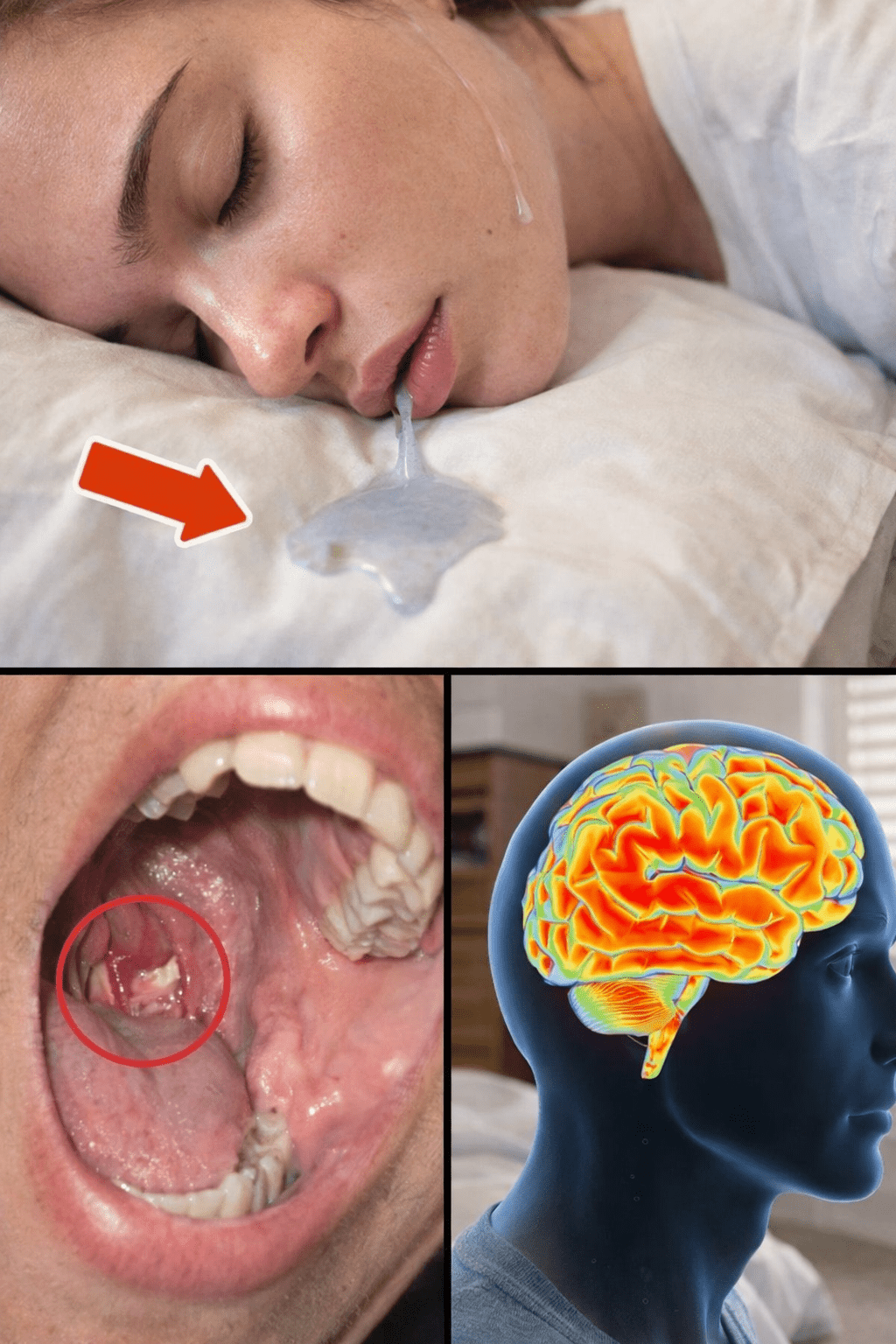
Why Do Many Adults Wake Up with a Damp Pillow? Exploring 8 Common Reasons for Nighttime Drooling
Waking up to a damp pillow can be embarrassing, confusing, or even worrying—especially for adults who never experienced this issue earlier in life. Many people assume drooling is something that only happens to babies or during deep sleep in childhood. Yet millions of adults wake up every morning with saliva on their pillow and silently wonder:
“Why is this happening to me?”
The truth is, nighttime drooling—also known medically as sleep-related sialorrhea—is far more common than most people realize. In many cases, it’s harmless. In others, it can be a sign of an underlying habit, sleep issue, or health condition that deserves attention.
In this article, we’ll explore 8 common reasons adults drool during sleep, explain what’s happening inside the body, and discuss when it’s normal—and when it might be worth looking deeper.
Understanding Nighttime Drooling
Drooling occurs when saliva escapes the mouth instead of being swallowed. During the day, this rarely happens because we are conscious, upright, and frequently swallowing. At night, however, several factors change:
- Muscle tone decreases
- Swallowing reflex slows
- Body position shifts
- Saliva production may continue
When these factors combine, saliva can leak out of the mouth—especially if conditions are right.
1. Sleeping Position (The Most Common Cause)
Why Side and Stomach Sleepers Drool More
Your sleeping position plays a huge role in whether saliva stays in your mouth or escapes.
- Side sleepers and stomach sleepers are far more likely to drool
- Gravity pulls saliva toward the mouth opening
- If the lips relax or the mouth opens slightly, saliva leaks out
In contrast, back sleepers tend to drool less because gravity keeps saliva flowing toward the throat, where it can be swallowed.
Is This a Problem?
Not usually. If drooling only happens occasionally and you sleep on your side, this is often completely harmless.
However, if drooling is excessive or new, other factors may be involved.
ADVERTISEMENT
