
ADVERTISEMENT
Meaning Behind the Tradition of Coins on Gravestones
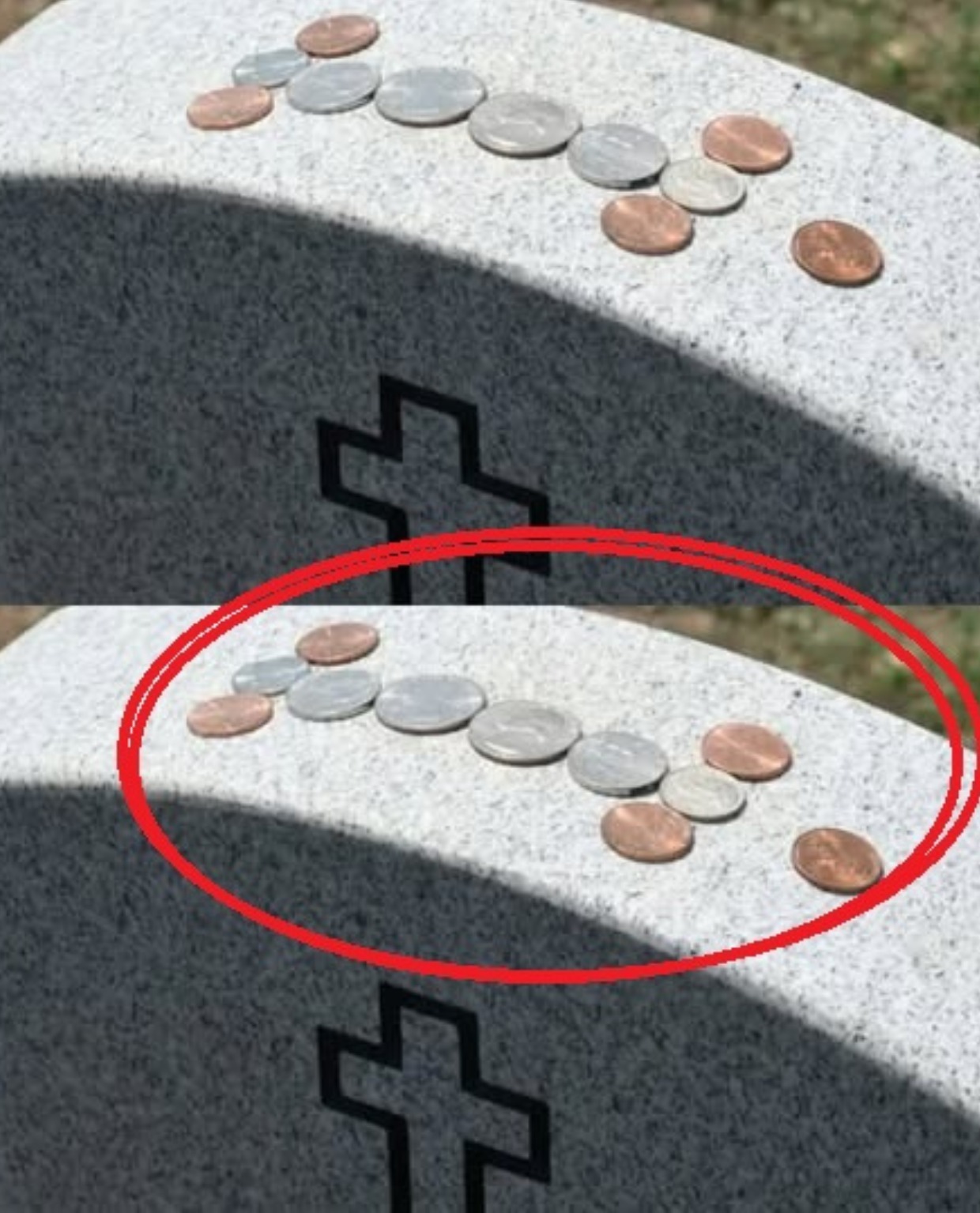
If you’ve ever walked through a cemetery and noticed coins resting quietly on gravestones, you may have wondered why they’re there. Pennies, nickels, dimes, and quarters—small, ordinary objects—yet placed with deliberate care on places of rest. This simple act carries deep meaning, woven from history, military tradition, symbolism, and human emotion.
The tradition of leaving coins on gravestones is not random. It is a silent language of remembrance, respect, and connection between the living and the dead. Though most commonly associated with military graves, the practice has expanded beyond that, touching many cultures and communities across the world.
In this article, we’ll explore where this tradition came from, what each coin symbolizes, why people continue the practice today, and how a small coin can carry a powerful message long after words fail.
A Quiet Gesture with a Powerful Message
Cemeteries are places of silence, reflection, and memory. Unlike spoken tributes or written messages, coins communicate without sound. They tell a story only those who know the tradition can read.
Leaving a coin is a way of saying:
- You are remembered.
- You are honored.
- You are not forgotten.
For many visitors, it’s also a deeply personal moment—a way to connect with someone they may never have met, but whose life mattered.
The Military Roots of the Coin Tradition
The most widely accepted origin of the coin-on-gravestone tradition comes from military culture, particularly in the United States.
A Symbol of Brotherhood and Respect
Within military communities, camaraderie is sacred. Service members form bonds that last a lifetime—and beyond. Leaving a coin on a fallen soldier’s grave is a way for fellow service members, veterans, or civilians to show respect without drawing attention.
Unlike flowers or wreaths, coins don’t stand out dramatically. They are subtle, humble, and deeply meaningful.
A Way to Honor Without Confrontation
Some historians suggest that the practice became more common after the Vietnam War. Political tensions and disagreements made direct expressions of respect complicated. Leaving a coin allowed people to honor fallen soldiers without publicly declaring a political stance.
It was a quiet act of solidarity.
ADVERTISEMENT
