
ADVERTISEMENT
Have You Noticed Small White Spots on Your Arms or Legs? Here’s What Might Be Causing Them and Simple Ways to Support Your Skin Health
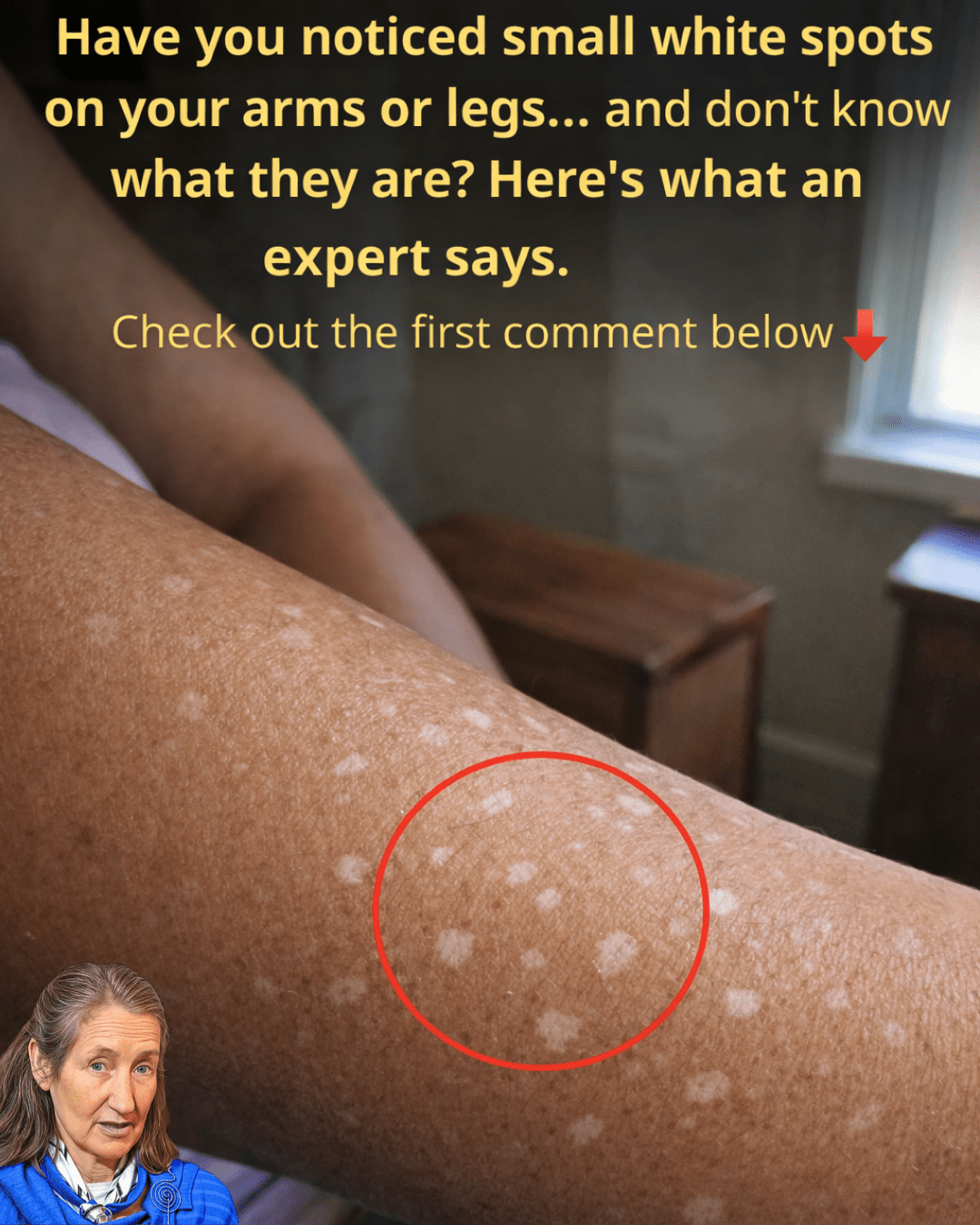
Have you ever looked down at your arms or legs and noticed small white spots that weren’t there before? They might seem harmless at first—tiny, pale marks scattered across your skin—but once you spot them, it’s hard to unsee them.
Many adults experience these white spots at some point in their lives. They’re often painless, don’t itch, and may appear gradually over time. Still, their sudden appearance can raise questions and concerns:
- Why are they showing up now?
- Are they a sign of aging?
- Could they be related to sun exposure or nutrition?
- Is there anything you can do to improve their appearance?
The good news is that in most cases, small white spots on the arms or legs are harmless and linked to common, manageable factors. In this article, we’ll explore the most common causes, what they mean for your skin health, and simple, supportive ways to care for your skin naturally.
Understanding Skin Pigmentation: Why Color Changes Happen
To understand white spots, it helps to know how skin gets its color in the first place.
Skin color is primarily determined by melanin, a pigment produced by specialized cells called melanocytes. Melanin protects the skin from UV radiation and gives it its natural tone.
When melanin production becomes uneven—or when melanocytes are damaged or less active—lighter patches or spots can appear.
These changes are often influenced by:
- Sun exposure
- Aging
- Genetics
- Inflammation or injury
- Nutritional factors
- Circulation and skin renewal
Not all white spots are the same, and their cause often depends on size, location, texture, and how they develop over time.
Common Causes of Small White Spots on Arms and Legs
1. Idiopathic Guttate Hypomelanosis (IGH)
One of the most common causes—especially in adults over 40—is Idiopathic Guttate Hypomelanosis, often shortened to IGH.
What it looks like:
- Small, round or oval white spots
- Usually 2–5 mm in size
- Commonly found on arms, legs, and shoulders
- Flat and smooth, not scaly or raised
Why it happens:
IGH is strongly linked to long-term sun exposure and aging. Over time, UV radiation can reduce the number or function of melanocytes in small areas of the skin.
Despite the intimidating name, IGH is:
- Harmless
- Non-contagious
- Not a sign of disease
Many people think of IGH as “sun freckles in reverse.”
ADVERTISEMENT
