
ADVERTISEMENT
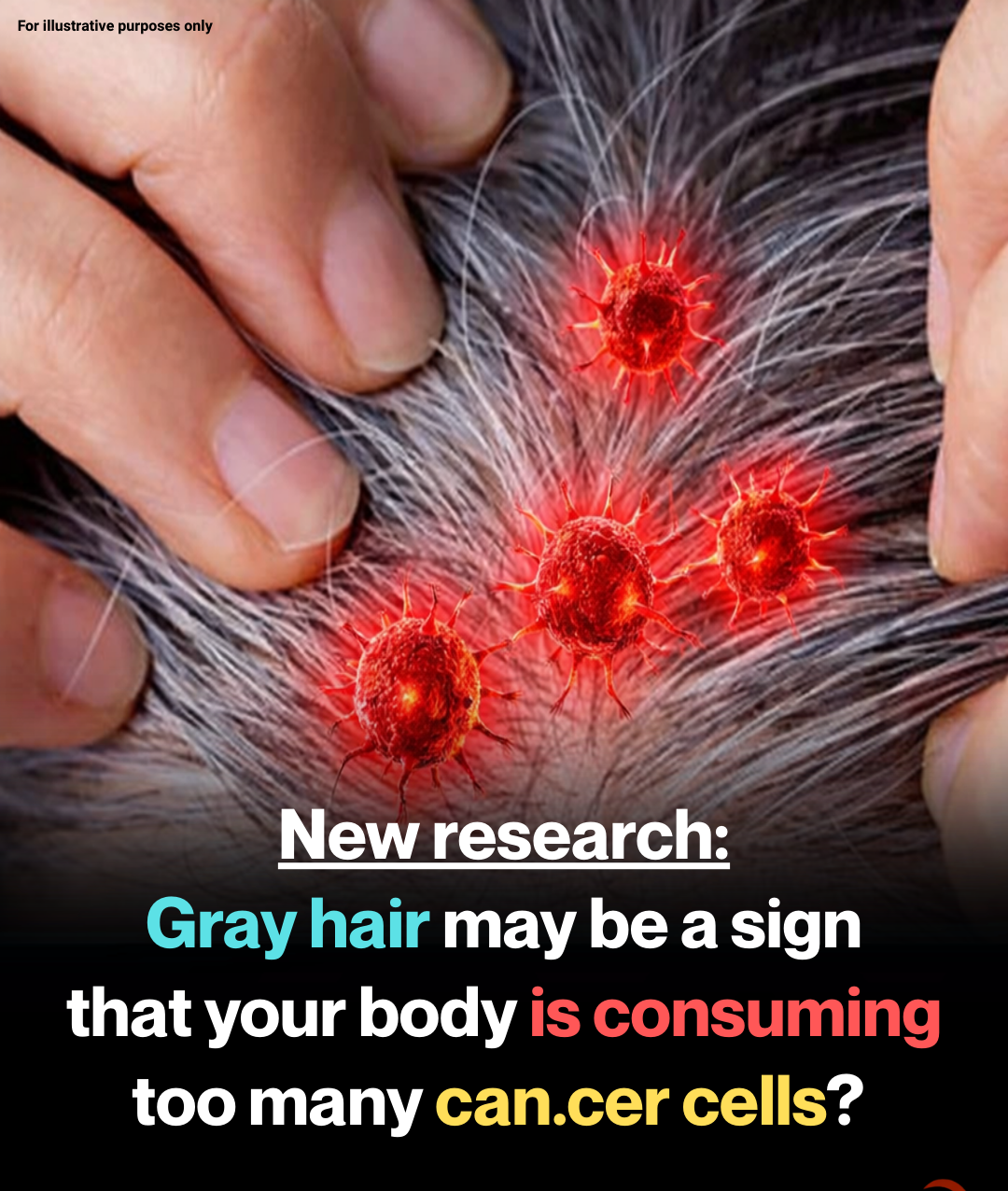
Gray hair has long been considered one of the most visible signs of aging. However, recent scientific findings suggest it may reflect something far more complex happening inside the body. A new study indicates that hair graying could be linked to a natural cellular defense mechanism that helps protect against cancer.

Researchers from the University of Tokyo published their findings in Nature Cell Biology, offering new insight into how pigment-producing cells respond to severe damage—and how this response may reduce cancer risk over time.
The Role of Pigment-Producing Cells
Hair and skin color are determined by specialized cells called melanocytes, which originate from melanocyte stem cells located in hair follicles. These cells produce melanin, the pigment responsible for dark hair and skin tones.
The researchers found that when melanocyte stem cells experience extreme and irreparable DNA damage, they stop dividing and activate a process known as programmed cell death (apoptosis). This controlled self-destruction prevents defective cells from continuing to multiply and potentially becoming cancerous.
As a result, the loss of these pigment-producing cells leads to a gradual decline in melanin—causing hair to turn gray.
A Protective Trade-Off
Professor Emi Nishimura, who led the research, explained that this process represents a biological trade-off. While the body loses its ability to maintain hair pigmentation, it gains protection by eliminating cells that carry dangerous genetic mutations.
This finding helps clarify the biological connection between hair graying and melanoma, a form of skin cancer that develops from melanocytes.

A Dual Cellular Response to Damage
The study also uncovered an important distinction in how melanocyte cells respond to different types of damage:
- Severe double-strand DNA damage triggers self-destruction
- Other damage, such as exposure to ultraviolet (UV) radiation or carcinogenic substances, may allow cells to survive and continue dividing
When damaged cells survive instead of self-destructing, genetic mutations can accumulate over time, increasing the potential risk of cancer development later in life.
This “dual response” may explain why both gray hair and skin cancer become more common with age.
Why These Findings Matter
Understanding how cells decide between survival and self-destruction could have important implications for cancer prevention. If scientists can learn how to encourage the removal of high-risk cells before they become malignant, it may open new pathways for early intervention and targeted therapies.
While gray hair does not prevent cancer, this research suggests it may serve as a visible marker of the body choosing cellular safety over pigment preservation.

The Bottom Line
Gray hair is not merely a cosmetic change associated with aging. According to this study, it may also reflect a natural protective process that helps prevent damaged cells from turning cancerous.
As research continues, scientists hope these insights will contribute to better strategies for cancer prevention and a deeper understanding of how aging affects the body at the cellular level.
ADVERTISEMENT
