
ADVERTISEMENT
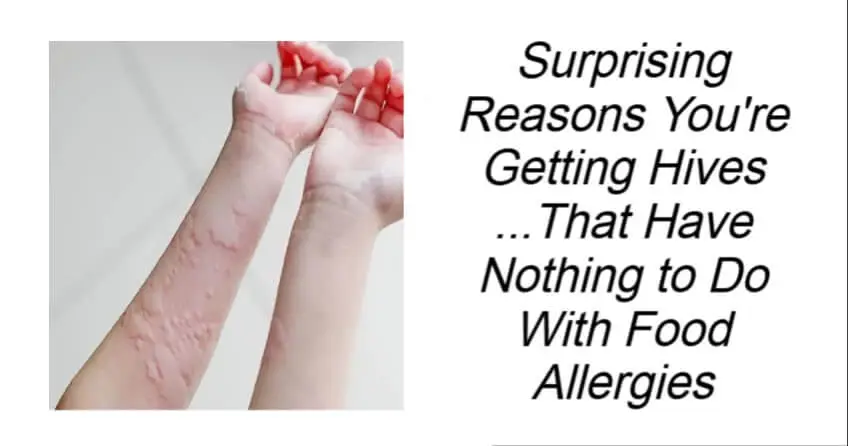
Surprising Reasons You’re Getting Hives …That Have Nothing to Do With Food Allergies
If you’ve ever broken out in those red, itchy welts known as hives (or urticaria, if we’re getting medical), you know how uncomfortable—and mysterious—they can be.
While most of us blame food allergies or medications, the reality is: there are dozens of lesser-known triggers that could be behind your outbreaks. And knowing what’s actually causing them? That’s the key to getting real relief.
Let’s break down 10 unexpected reasons your skin might be flaring up—and what you can do about each one.
1. Stress and Anxiety
🔍 What’s Happening:
High stress levels can spark a cascade of hormonal changes, leading to increased histamine release—the same chemical behind allergic reactions.
✅ Try This:
- Practice deep breathing or meditation
- Build in regular exercise
- Prioritize sleep and screen-free time
These all help keep stress (and your skin) in check.
2. Temperature Fluctuations
🔍 What’s Happening:
Sudden changes—like stepping from a hot shower into cool air—can trigger cold or heat urticaria, a condition where your body literally reacts to temperature swings.
✅ What Helps:
- Avoid extreme temps (no icy plunges or scalding baths)
- Shower in lukewarm water
- Dress in layers so your body can adjust gradually
3. Pressure on the Skin
🔍 What’s Happening:
Wearing tight clothes, carrying a heavy bag, or even sitting too long can cause pressure-induced hives.
✅ What Helps:
- Opt for looser, breathable clothing
- Take breaks from sitting or leaning against hard surfaces
- OTC antihistamines may ease the reaction
4. Unexpected Food Triggers
🔍 What’s Happening:
It’s not just shellfish and peanuts. Some people react to tomatoes, citrus, spicy foods, or fermented items—and don’t realize it.
✅ What Helps:
- Keep a food diary
- Track symptoms after meals
- Talk to an allergist if you spot a pattern
5. Medications You Didn’t Suspect
🔍 What’s Happening:
Medications like ibuprofen, antibiotics, or blood pressure meds can cause hives—even if they’re not known allergens.
✅ What Helps:
- Review your medication list with your doctor
- Don’t stop taking anything without professional guidance
6. Viral or Chronic Illnesses
🔍 What’s Happening:
Hives sometimes show up during or after infections like the common cold, mono, hepatitis, or with conditions like thyroid disorders.
✅ What Helps:
- Treat the root cause
- Ask your provider whether your illness could be contributing to hives
7. Sun Exposure
🔍 What’s Happening:
Yes, the sun itself can cause hives—thanks to an immune reaction known as solar urticaria.
✅ What Helps:
- Apply broad-spectrum sunscreen
- Wear UV-protective clothing
- Avoid midday sun exposure
8. Hormonal Changes
🔍 What’s Happening:
Fluctuations from your menstrual cycle, pregnancy, or menopause can heighten sensitivity and trigger hives.
✅ What Helps:
- Track flare-ups alongside your cycle
- Discuss hormone-related options with your healthcare provider
9. Water (Yes, Seriously)
🔍 What’s Happening:
Aquagenic urticaria is a rare condition where simple contact with water—regardless of temperature—can cause hives.
✅ What Helps:
- Keep showers short
- Use mild, fragrance-free products
- Speak with a dermatologist for a tailored care plan
10. Everyday Products in Your Home
🔍 What’s Happening:
Hidden allergens in soaps, lotions, detergents, or dryer sheets may irritate sensitive skin and trigger outbreaks.
✅ What Helps:
- Switch to unscented, hypoallergenic products
- Always patch-test new items before full use
When to Call a Doctor
Hives usually go away on their own, but if you notice any of the following, it’s time to seek medical help:
- Hives last more than six weeks (chronic urticaria)
- Swelling of the face, lips, or throat
- Trouble breathing or other signs of anaphylaxis
Final Thoughts
While it’s easy to assume food or medication is to blame, hives have many surprising triggers—from stress and sunlight to pressure and even water. The good news? Once you identify your personal cause, managing (and preventing) flare-ups becomes much easier.
Still struggling to pinpoint the source? Talk to a doctor or allergist. They can help you dig deeper and create a treatment plan that actually works.
You’ve just read, Surprising Reasons You’re Getting Hives. Why not read Manager Had To Hire A New Employee.
ADVERTISEMENT
