
ADVERTISEMENT
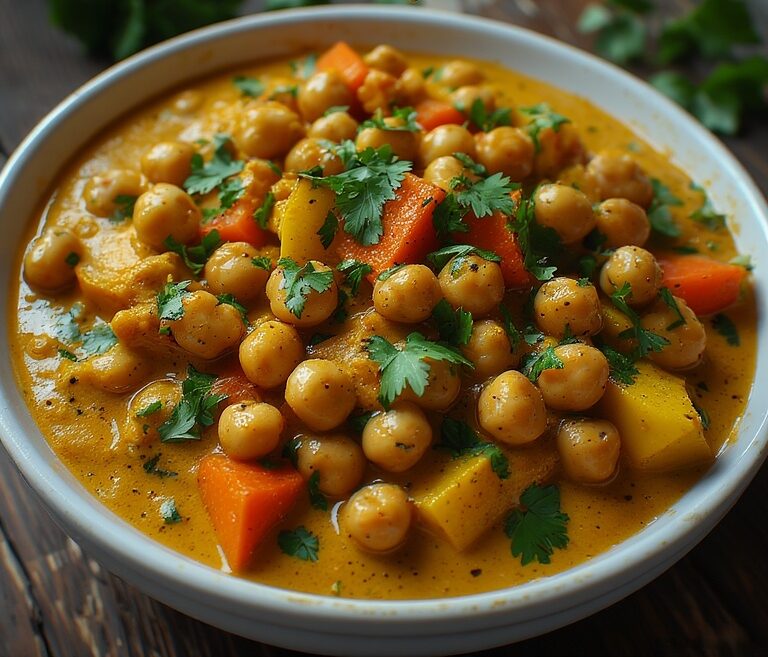
One-Pot Turmeric Peanut Butter Chickpea Curry: Golden Sunshine in a Bowl
This vibrant one-pot chickpea curry featuring turmeric and peanut butter sauce delivers incredible flavor with minimal effort. Easy preparation combines tender chickpeas with colorful summer vegetables in a creamy, aromatic sauce that comes together in under 40 minutes. Serve this vegan, gluten-free, and soy-free dish over fluffy rice or your favorite cooked grains for a satisfying meal that brightens any day.
Peanut butter-based sauces have become a household favorite for good reason—they’re incredibly simple to prepare, universally loved, and remarkably versatile. The flavor profile adapts beautifully to countless variations: add Thai red curry paste for Southeast Asian flair, incorporate soy sauce for umami depth, blend in Indian spice combinations and fresh herbs, or introduce African chile blends for heat and complexity. Whatever direction you choose, peanut butter creates a luscious foundation that embraces vegetables, tofu, beans, and lentils equally well.
This particular chickpea curry showcases peanut butter or almond butter sauce enhanced with warming Indian spices, golden turmeric, vibrant red bell pepper, sweet carrots, and tender summer squash. The process is refreshingly straightforward: blend onion, garlic, and ginger to create an aromatic base, toast the spices to awaken their essential oils, fold everything together with the vegetables, chickpeas, nut butter, and broth, then simmer until all the flavors meld beautifully. A final garnish of fresh cilantro or basil plus a squeeze of bright lime juice transforms this into pure sunshine in a bowl. The combination of curry-spiced peanut butter sauce with turmeric creates that gorgeous golden hue that makes this dish as beautiful as it is delicious.
Cinnamon and cardamom contribute a fabulous aromatic dimension to this sauce that elevates it beyond ordinary. Cardamom is readily available as whole pods, seeds, or ground powder in Indian or Asian grocery stores at remarkably reasonable prices, or easily ordered online. Feel free to experiment with other spice combinations according to your preferences and pantry. Make this glowing chickpea curry and serve it over basmati rice, quinoa, or your favorite whole grains.
Why This Recipe Works So Well
The genius of this recipe lies in its simplicity combined with sophisticated flavor development. Blending the aromatic base creates a smooth foundation that integrates seamlessly into the sauce. Blooming the spices in oil releases their aromatic compounds, intensifying their flavor dramatically. The peanut butter provides both creaminess and protein while adding that distinctive nutty richness. Turmeric contributes its characteristic golden color and earthy warmth along with anti-inflammatory properties. Summer vegetables add textural variety, natural sweetness, and nutritional value. The entire dish comes together in a single pot, minimizing cleanup while maximizing flavor.
Essential Ingredients Breakdown
Aromatic Base Components:
- Chopped onion: 1/4 cup provides sweet depth
- Garlic cloves: 4 cloves add pungent, savory notes
- Fresh ginger: 1-inch knob brings warming spiciness
- Oil: 1/2 teaspoon for sautéing the spices
Spice Blend:
- Ground cumin: 1/2 teaspoon for earthy warmth
- Ground coriander: 1/2 teaspoon or more for citrusy notes
- Cinnamon: 1/4 teaspoon adds sweet warmth
- Cardamom: 1/4 teaspoon (optional) provides floral complexity
- Cayenne pepper: 1/3 teaspoon or more for heat
- Turmeric: 1/2 teaspoon or more for golden color and earthy flavor
Sauce Foundation:
- Peanut butter or almond butter: 3 tablespoons or more creates creamy richness
- Non-dairy milk: 1/2 cup (coconut or almond work beautifully)
- Water or vegetable broth: 3/4 cup for proper consistency
Vegetables and Protein:
- Red bell pepper: 1/2, sliced for sweetness and color
- Carrots: 1/2 cup or more, sliced for natural sweetness
- Summer squash or zucchini: 1/2 cup or more, sliced
- Chickpeas: 15-ounce can drained and rinsed, or 1.5 cups cooked (or substitute cooked lentils)
Seasoning and Finishing:
- Salt: 1/2 teaspoon or more to taste
- Sugar or sweetener: 1 teaspoon or more balances flavors
- Lime juice: 1/2 to 1 teaspoon for brightness
- Fresh cilantro: 1/4 cup chopped (or 2 tablespoons Thai basil)
- Red pepper flakes: to taste for adjustable heat
Step-by-Step Preparation Instructions
Creating the Aromatic Base: Place the onion, ginger, and garlic in a high-speed blender with 2 to 3 tablespoons of water. Blend until completely smooth and set aside. A NutriBullet or similar small blender works perfectly for these smaller quantities. Alternatively, if you prefer, finely mince all three ingredients instead of blending.
Blooming the Spices: Heat the oil in a large skillet over medium heat. Once hot, add the cumin, coriander, cinnamon, cardamom, and cayenne. Cook while stirring constantly for 15 to 30 seconds until the spices become wonderfully fragrant. This crucial step awakens the aromatic compounds in the spices.
Roasting the Base: Add the blended onion mixture to the skillet and stir to combine with the toasted spices. Mix in the turmeric and continue cooking until the mixture becomes well-roasted and the raw onion smell disappears completely, which takes approximately 7 to 9 minutes. Stir occasionally to prevent sticking. If using minced onion and garlic instead of puree, cook at slightly lower heat.
Building the Sauce: Add the nut butter and non-dairy milk to the pan and mix thoroughly. The nut butter will take about 30 seconds to fully incorporate and become smooth. Pour in the water or broth and mix everything together until you have a cohesive sauce.
Adding Main Ingredients: Stir in all the sliced vegetables, chickpeas, salt, and sugar. Mix everything together, cover the pan, and bring to a boil, which takes about 4 minutes. Reduce the heat to medium-low and continue cooking for 5 minutes to allow the vegetables to soften.
Final Touches: Mix in the lime juice and chopped cilantro. Taste the curry and adjust the salt and heat level according to your preferences. Add red pepper flakes to taste and stir them in. At this point, you can also add baby spinach or other leafy greens if desired, and adjust the curry’s consistency by adding more non-dairy milk for a thinner sauce or cooking longer for a thicker consistency.
Finishing the Curry: Continue simmering for another 3 to 4 minutes until the curry thickens slightly to your desired consistency. Serve immediately over steaming rice or your favorite cooked grains.
Creative Variations and Adaptations
Spice Modifications: Add garam masala for more complex Indian spice notes, or stir in sriracha for easy heat adjustment. Include freshly ground black pepper and a pinch of ground cloves for deeper spice profile complexity. Omit the turmeric if you’re not particularly fond of its distinctive flavor.
Vegetable Substitutions: Incorporate other vegetables based on what’s available or seasonal. Broccoli florets add satisfying crunch, cubed eggplant contributes meaty texture, or try any combination that appeals to you.
Protein Options: Replace chickpeas with cooked brown or green lentils for a different texture and slightly earthier flavor. Red lentils will break down more and create a thicker, creamier consistency.
Fruit Additions: For a sweet-savory dimension, add chunks of fresh mango, diced pineapple, or halved lychees during the final minutes of cooking. The fruit’s natural sweetness balances beautifully with the spices.
Consistency Adjustments: Modify the amount of non-dairy milk to create a thinner, soupier curry or a thicker, more concentrated sauce depending on your preference and how you plan to serve it.
Nut Butter Variations: While peanut butter is traditional, almond butter, cashew butter, or even sunflower seed butter (for nut-free versions) all work wonderfully in this recipe.
Nutritional Information Per Serving
Based on three servings, each portion contains approximately 345 calories. The macronutrient breakdown includes 33 grams of carbohydrates, 12 grams of protein, and 15 grams of fat (2 grams saturated). Each serving provides 658 milligrams of sodium, 612 milligrams of potassium, and an impressive 9 grams of dietary fiber. The curry also delivers 7,060 IU of vitamin A (141% daily value), 34.6 milligrams of vitamin C, 89 milligrams of calcium, and 4.2 milligrams of iron.
Serving Suggestions and Accompaniments
Rice Varieties: Serve over fluffy basmati rice for authentic Indian pairing, brown rice for whole grain goodness, jasmine rice for fragrant sweetness, or cauliflower rice for a low-carb option.
Alternative Grains: Quinoa provides complete protein, farro adds chewy texture, or millet offers a gluten-free whole grain option that complements the curry beautifully.
Flatbreads: Accompany with warm naan, roti, or chapati for scooping up the sauce. Garlic naan or whole wheat flatbreads add extra flavor.
Fresh Elements: Serve alongside cooling cucumber raita (cucumber in seasoned yogurt), fresh tomato salad, or crisp lettuce leaves for textural contrast.
Garnishes: Top individual bowls with additional fresh cilantro, a dollop of coconut yogurt, toasted cashews or peanuts for crunch, or a lime wedge for squeezing.
Storage and Reheating Guidelines
Refrigerator Storage: Transfer cooled curry to an airtight container and refrigerate for up to 5 days. The flavors actually deepen and improve after a day as everything continues melding together.
Freezer Storage: This curry freezes exceptionally well. Portion into individual freezer-safe containers or bags and freeze for up to 3 months. Thaw overnight in the refrigerator before reheating.
Reheating Methods: Warm gently on the stovetop over medium-low heat, stirring occasionally and adding a splash of water or non-dairy milk if needed to restore the original consistency. Microwave individual portions in 1-minute intervals, stirring between each, until heated through.
Professional Tips for Best Results
Blending Efficiency: A small personal blender like a NutriBullet works perfectly for the small quantity of aromatics. If you don’t have a blender, very finely mincing the onion, garlic, and ginger works well too.
Spice Freshness: Use fresh, high-quality spices for maximum flavor impact. Spices lose potency over time, so replace ground spices that have been sitting in your pantry for over a year.
Heat Level Control: Start with less cayenne and adjust upward rather than making the curry too spicy initially. You can always add heat with red pepper flakes at the end.
Vegetable Cutting: Slice all vegetables to similar thicknesses so they cook evenly and finish at the same time.
Sauce Consistency: If the curry becomes too thick, thin it with non-dairy milk or vegetable broth. If too thin, simmer uncovered for a few extra minutes to reduce and concentrate the sauce.
Make It Ahead: This curry actually tastes better the next day after all the flavors have had time to marry, making it an excellent meal prep option.
More Delicious Chickpea and Lentil Recipes
If you enjoy this turmeric peanut butter curry, explore other protein-packed plant-based dishes:
Sweet and Sour Chickpeas with Broccoli and Peppers: Tangy-sweet sauce coats tender chickpeas and crisp vegetables for takeout-style flavor at home.
Kung Pao Lentils: Spicy, savory lentils with vegetables in a bold sauce inspired by the Chinese classic.
Lentils and Vegetables in Thai Peanut Sauce: Similar peanut sauce concept with Thai flavors and green lentils.
Chickpeas in Firecracker Sauce with Crunchy Salad: Spicy, bold chickpeas served over fresh, crisp vegetables.
Chickpeas in Teriyaki Sauce in Steamed Bao Buns: Asian-inspired chickpeas stuffed into pillowy soft buns.
Recipe Details
Prep Time: 10 minutes
Cook Time: 30 minutes
Total Time: 40 minutes
Servings: 3 generous portions
Course: Main dish/Entree
Cuisine: Fusion (Indian-inspired)
Dietary: Vegan, Gluten-Free, Soy-Free
Why Turmeric and Peanut Butter Work Together
The combination of turmeric and peanut butter might seem unusual at first, but they complement each other brilliantly. Turmeric’s earthy, slightly bitter notes balance the rich, sweet nuttiness of peanut butter. The fat in the peanut butter helps your body absorb turmeric’s beneficial compound curcumin more effectively. Together, they create a sauce that’s both nutritious and incredibly flavorful, with that gorgeous golden color that makes the dish as visually appealing as it is delicious.
Perfect for Meal Prep
This one-pot curry excels as a meal prep option. Make a large batch on Sunday and portion it into individual containers with cooked rice or grains. Throughout the week, you’ll have ready-made lunches or quick dinners that reheat beautifully. The convenience of having a nutritious, satisfying meal ready to go makes healthy eating effortless on busy days.
Kid-Friendly Adjustments
While this curry has bold flavors, it can easily be adapted for younger palates. Reduce or omit the cayenne pepper and red pepper flakes to minimize heat. The natural sweetness from carrots, bell peppers, and a touch of sugar makes the sauce appealing to children. The creamy peanut butter base is familiar and comforting. Serve over plain rice with the vegetables cut into fun shapes to make it more engaging for little ones.
Final Thoughts
This golden turmeric peanut butter chickpea curry represents everything wonderful about plant-based cooking: it’s nourishing, flavorful, simple to prepare, and adaptable to various dietary needs and preferences. The one-pot preparation minimizes cleanup while the combination of protein-rich chickpeas, colorful vegetables, and aromatic spices creates a complete, satisfying meal. Whether you’re cooking for yourself, feeding a family, or preparing meals for the week ahead, this versatile curry delivers comfort and nutrition in equal measure. Make a pot this week and discover why peanut butter-based curries have become such beloved staples in kitchens around the world.
ADVERTISEMENT
