
ADVERTISEMENT
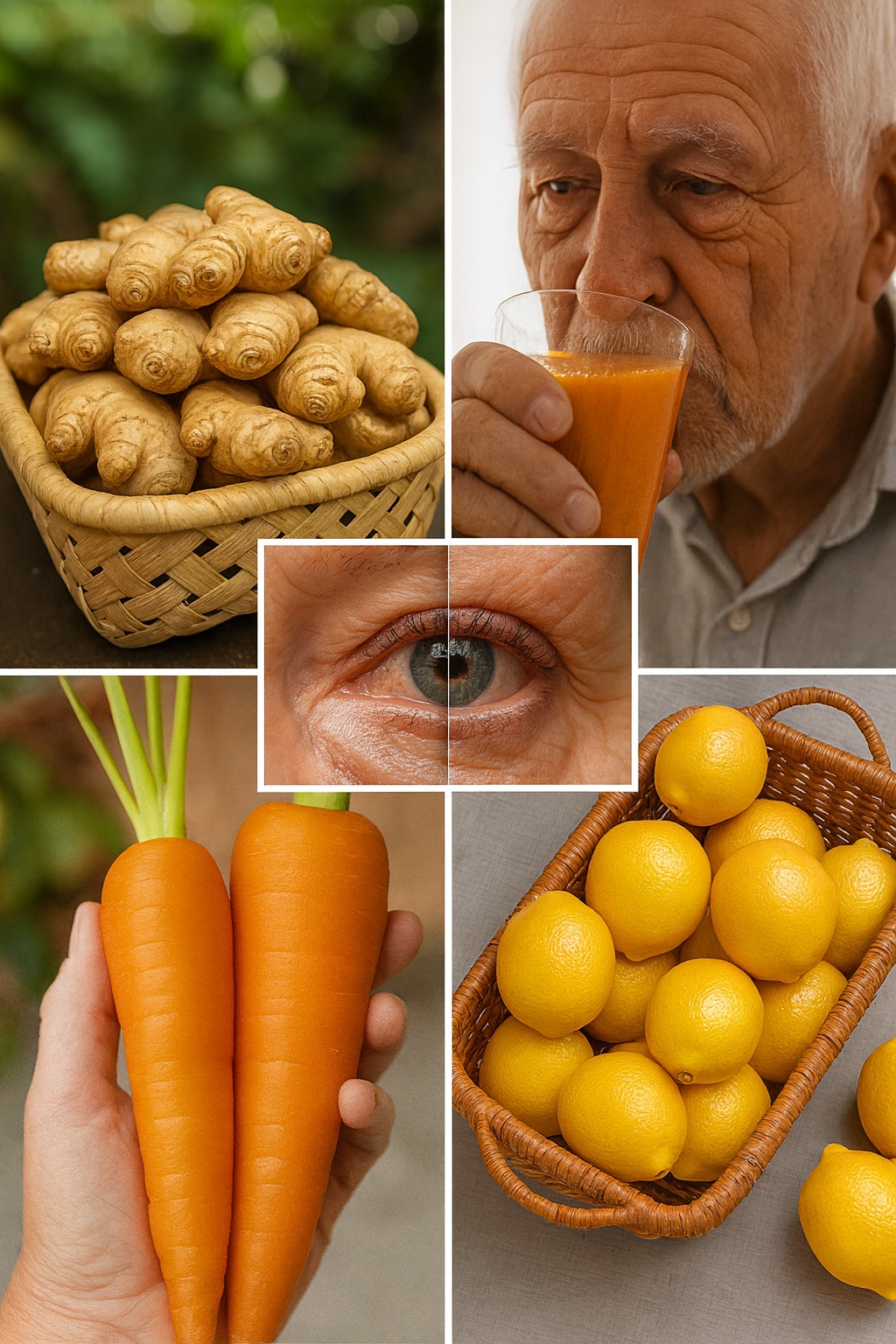
In a world where we spend hours staring at screens, many people wake up with tired, dry, or slightly blurry eyes that never quite feel refreshed. The constant exposure to blue light and environmental stress quietly adds up, leaving your vision feeling strained and your eyes begging for real nourishment. The good news is that nature offers gentle, everyday foods that can help protect and support your eyes when used consistently.

Keep reading, because by the end of this article you’ll discover one surprisingly simple morning habit — backed by science — that thousands of people now swear by for brighter, more comfortable eyes.
Why Your Eyes Need Extra Support in the Digital Age
Modern life puts unprecedented demand on our vision. Research shows adults now average 7–10 hours of screen time daily, exposing the retina to high-energy blue light that can increase oxidative stress over time.
At the same time, most diets lack the specific carotenoids and antioxidants the eyes rely on most. The result? Millions notice gradual changes: morning dryness, difficulty focusing after long workdays, or eyes that feel “tired” even after a full night’s sleep.

But here’s what’s encouraging: studies consistently show that increasing intake of certain plant compounds can help maintain healthy retinal function, support tear production, and improve overall visual comfort.
The 5 Everyday Ingredients That Make This Morning Juice Special
This refreshing blend combines five foods that are particularly rich in nutrients linked to eye health in scientific literature:
1. Carrots – Rich in Beta-Carotene
Carrots are one of nature’s best sources of beta-carotene, a precursor to vitamin A. Vitamin A plays a key role in maintaining the surface of the eye and supporting low-light vision.
2. Spinach or Kale – Packed with Lutein and Zeaxanthin
These leafy greens contain lutein and zeaxanthin, two carotenoids that naturally concentrate in the macula (the part of the retina responsible for sharp central vision). Population studies show higher dietary intake is associated with better long-term eye comfort.
3. Oranges – High in Vitamin C and Bioflavonoids
Vitamin C is found in very high concentrations in eye tissues. It acts as an antioxidant and supports collagen structure in the cornea and sclera.
4. Beetroot – Natural Source of Dietary Nitrates
Beets provide nitrates that the body converts to nitric oxide, helping blood vessels relax and improving circulation — including to the tiny vessels that nourish the retina.
5. A Splash of Lemon (optional) – Extra Vitamin C and Brightness
Adds a bright flavor while boosting total antioxidant content.
The Simple Morning Juice Recipe (Takes 5 Minutes)
Ingredients (1 large glass, 400–500 ml):
- 1 medium carrot (organic if possible)
- 1 small raw beetroot (or ½ medium)
- 1 large sweet orange, peeled (leave some white pith)
- 1 large handful baby spinach or kale
- ½ cup filtered water or coconut water
- Optional: juice of ½ lemon + pinch of ginger
Step-by-step instructions:
- Wash all produce well.
- Roughly chop the carrot and beet into chunks.
- Peel the orange but keep as much white pith as you like.
- Place softer items (orange segments and greens) in the blender first, then harder items on top.
- Add water and blend on high for 45–60 seconds until smooth.
- Pour and enjoy immediately — no need to strain (the fiber is beneficial).
Pro tip: Prep ingredients the night before and store in a glass container in the fridge. In the morning, just blend and go.
Why Drinking It First Thing in the Morning Matters
- Your stomach is empty → nutrients absorb faster.
- Fat-soluble carotenoids (beta-carotene, lutein, zeaxanthin) pair perfectly with the natural fats in the orange pith.
- You rehydrate eye tissues after 7–8 hours of sleep.
- It sets a positive tone and makes consistency effortless.

7 Easy Ways to Make This a Lifelong Habit
- Keep pre-washed carrots and beets in a clear container at eye level in the fridge.
- Use a personal blender cup that doubles as a travel bottle.
- Pair it with an existing routine (e.g., while the kettle boils).
- Prepare two servings at once and store the second in an airtight mason jar (drink within 24 hours).
- Freeze portioned bags of chopped ingredients for extra-busy weeks.
- Add a pinch of cinnamon or mint for variety.
- Track how your eyes feel each week in a simple note on your phone — noticing small wins keeps motivation high.
What People Usually Notice (Realistic Timeline)
| Week | Common Feedback |
|---|---|
| 1–2 | Eyes feel more hydrated in the morning, less gritty sensation |
| 3–4 | Better comfort during long screen sessions, reduced afternoon strain |
| 6+ | Brighter sclera (whites of eyes), improved color perception, easier night driving |
Individual results vary, but consistency is the biggest predictor of positive change.
Frequently Asked Questions
1. Can I use a juicer instead of a blender?
Yes, but blending keeps the fiber, which helps stabilize blood sugar and supports the gut-eye connection. If you prefer juicing, consider eating a small handful of the leftover pulp or adding it to soup.
2. Is this safe during pregnancy or while taking medications?
The ingredients are whole foods and generally very safe, but beets are high in natural nitrates — check with your doctor if you have low blood pressure or take blood-pressure medication.
3. What if I don’t like the taste of beetroot?
Start with just ¼ beet and increase gradually, or replace it with an extra carrot and a few berries for natural sweetness.
Final Thoughts
Supporting your eye health doesn’t have to be complicated or expensive. A simple, delicious morning juice made from five everyday ingredients can become a gentle, sustainable way to give your eyes the nutrients they need in our screen-heavy world.
Start tomorrow — your eyes will thank you.
Disclaimer: This article is for informational purposes only and is not medical advice. Always consult your eye doctor or healthcare professional for personalized guidance, especially if you have existing eye conditions or concerns.
(Word count: 1,248)
ADVERTISEMENT
