
ADVERTISEMENT
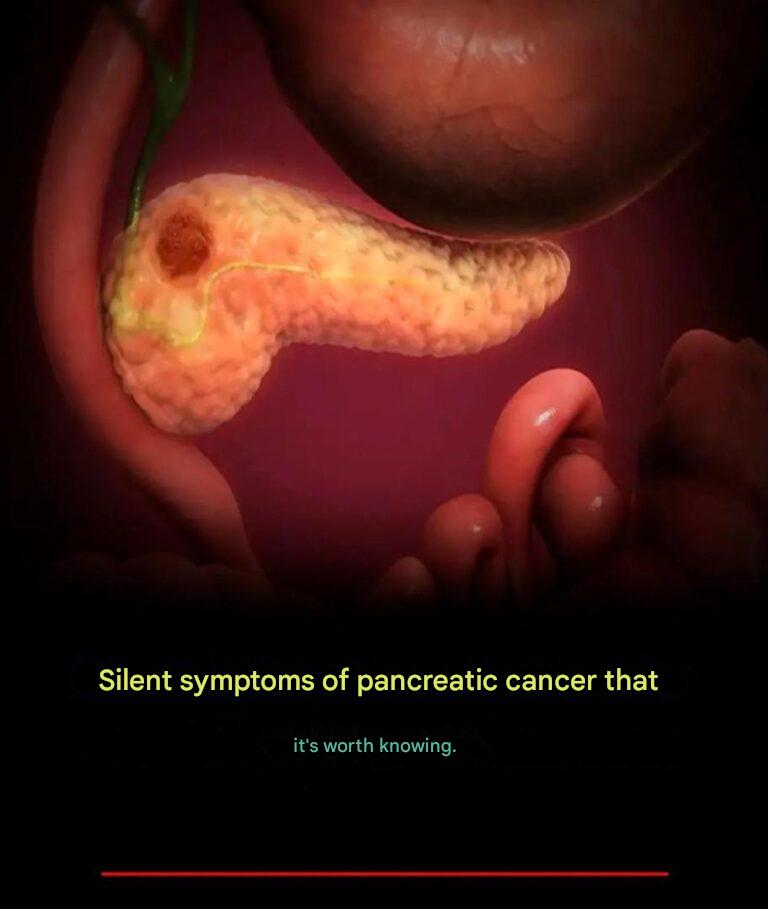
The pancreas is located deep in the abdominal cavity, making tumors difficult to identify during a routine physical exam. Furthermore, in its early stages, pancreatic cancer usually causes no obvious symptoms. For many patients, symptoms such as jaundice (yellowing of the skin and eyes), unexplained weight loss, or persistent abdominal pain don’t appear until the disease is advanced.
Another obstacle to early diagnosis is the lack of specific biomarkers. Although CA 19-9 is a diagnostic marker, its lack of specificity limits its usefulness in the early stages of the disease. Advanced imaging technologies, such as magnetic resonance imaging (MRI), computed tomography (CT), and endoscopic ultrasound (EUS), have improved diagnostic capabilities, but their use is usually limited to cases where there is already a clinical suspicion. In most cases, the cancer is already at a more advanced stage by the time these tools are used.
Warning signs that should not be ignored
Although pancreatic cancer is difficult to detect in its early stages, certain symptoms may indicate its presence. Although nonspecific, these symptoms should not be ignored:
Unexplained weight loss: Significant weight loss without changes in diet or physical activity may be a sign of cancer-related metabolic disorders.
Persistent fatigue: Extreme and prolonged fatigue, unrelated to strenuous exercise, may be a warning sign.
Jaundice: Yellowing of the skin and eyes, caused by obstruction of the bile ducts, is one of the most common symptoms in advanced stages of the disease. It may also be accompanied by intense itching.
Abdominal and lower back pain: A dull ache in the upper abdomen or lower back may be a sign of a tumor.
Digestive problems: Symptoms such as nausea, bloating, loss of appetite, and fatty stools may be related to pancreatic dysfunction.
Dark urine and pale stools: These changes may be caused by the accumulation of unprocessed bilirubin, an early sign of obstruction of the bile ducts.
Risk factors associated with pancreatic cancer.
There are several factors that can increase the risk of developing pancreatic cancer. The most important include:
